

Public art in stone has played a crucial role in human civilization for thousands of years. From ancient statues carved from raw rock to contemporary marble sculpture in modern cities, stone-based public art continues to shape how communities experience, interpret, and connect with shared environments. Public art projects are shaped by the underlying idea and strategic planning, ensuring that each work is purposefully conceived to enhance community well-being and environmental interaction.
These works are not only visually compelling—they serve a vital role in the public sphere by creating meaning, memory, and a lasting sense of place. Research is essential in informing the creation, placement, and purpose of public artworks, guiding the process from initial idea generation to execution so that projects remain relevant and impactful.
A successful public art strategy isn’t just about visibility but about designing spaces that explore innovative ways to address the specific goal of the public art brief.
Why Public Art in Stone Endures
Among all materials used in public art, stone remains unmatched in permanence, symbolism, and visual appeal. While modern art often experiments with temporary or mixed materials, stone sculptures offer exceptional quality and longevity. They are incredibly challenging to create, yet their durability ensures they remain part of a city’s cultural fabric for generations.
Across history, artists have used stone to create public art installations that reflect life, nature, hope, and identity. These works often become iconic examples of how art can shape public spaces and influence the human experience.
Defining Public Art in Stone: Purpose and Meaning
Public art in stone, from striking marble sculpture to expansive murals and sculptural installations, serves as a cornerstone of urban settings and public spaces. These works are more than decorative—they are designed to engage both residents and visitors, inviting them to pause, reflect, and connect with their surroundings. The purpose of public stone art is deeply rooted in its ability to embody the history, culture, and values of a community, transforming ordinary spaces into places of meaning and interaction.
Artists play a crucial role in shaping the public sphere, using stone’s exceptional quality and visual appeal to create art that resonates on multiple levels. Whether through iconic examples of marble sculpture or innovative public art installations, these elements foster a sense of belonging and spark human interaction. The meaning behind each piece can be incredibly challenging to define, as it often depends on the context, materials, and the artist’s vision. Yet, it is precisely this complexity that makes public stone art so inviting and thought-provoking, encouraging ongoing dialogue and engagement within the community.
Iconic Public Art Installations Throughout History

Some of the most famous examples of public art are stone-based sculptures located in outdoor spaces—from classical statues in Ancient Greece to monumental memorials in modern urban settings. These iconic public art installations demonstrate how stone has been used to communicate power, remembrance, spirituality, and artistic imagination. After monumental memorials, The Kelpies stand out as one of the most visually arresting public sculptures in Europe, designed to pay tribute to the working horses that powered Scotland’s industrial growth. The Vietnam Veterans Memorial, consisting of a black granite wall inscribed with over 58,000 names, honors those who served in the Vietnam War and serves as a powerful site of reflection and commemoration.
Museums around the world house collections of marble, stone, and bronze sculptures and statues originally created for public spaces, further highlighting their cultural importance. These famous examples continue to inspire contemporary artists and influence new public art projects.
Stone Sculptures in Public Spaces and Urban Settings
Stone sculptures are especially effective in public spaces, where they interact directly with visitors, residents, and the surrounding environment. In city centers, gardens, plazas, and landscaped areas, stone public art creates inviting spaces that encourage reflection, conversation, and human interaction. Visitors can often discover these installations unexpectedly, adding an element of surprise and exploration to their experience of public spaces.
In urban settings, stone art often provides contrast to glass, steel, and concrete architecture. This balance enhances visual appeal while grounding modern cities in history and material authenticity. Over the course of their presence, public art installations create joy in the community and are frequently site-specific, integrating with their environment and the people who use these spaces. Public art can also increase foot traffic in an area, which enhances public safety and makes neighborhoods more livable. Additionally, public art can increase a sense of trust within a neighborhood, especially in marginalized communities.
The Role of Marble Sculpture in Public Art

Marble sculpture has long been associated with elegance, artistic refinement, and emotional depth. In public art, common materials include marble for high-detail figures, granite for large-scale memorials, and basalt for textured land art. Some projects also utilize synthetic or artificial cultural stone, which is lighter and easier to maintain than natural stone. Marble is frequently used for memorials, statues, and installations that require both beauty and symbolic weight.
Artists choose marble not only for its aesthetic qualities but for its ability to capture fine form, reflect light, and convey meaning. Stone is highly resistant to weathering, rot, and fire, allowing installations to last for decades or even millennia with minimal upkeep. However, natural stone’s heaviness leads to high logistical costs for transportation and installation, making it more expensive than lighter materials. These successful sculptures often become permanent landmarks—places where visitors gather, reflect, and connect with shared cultural narratives.
Public Art as a Community Asset
Well-designed public art does more than beautify space—it supports the local economy, attracts visitors, and strengthens community identity. Stone public art projects can transform outdoor spaces into destinations, encouraging tourism, engagement, and pride among residents. Public art projects can also contribute to the transformation of the local industry and economy, helping shift regions from traditional industry-based sectors to knowledge and culture-driven industry sectors.
Many public art projects are inspired by local culture, history, or the natural environment, which deepens their connection to the community and enhances public engagement. In recent decades, public art has increasingly focused on creating joy and enhancing community engagement, making these works even more valuable as community assets.
Public art in stone also helps shape a city’s cultural image. Over time, these works become part of collective memory, shaping how a community sees itself and how it is perceived by the wider world. To ensure sustainability and preservation, organizations are now using 3D scanning to create digital archives of stone sculptures for future restoration. Additionally, many cities require dedicated maintenance funds to be established before accepting a permanent stone work, ensuring these pieces remain vibrant for generations.
The Economic Impact of Public Stone Art
The presence of public stone art, including modern art installations and famous examples of marble sculpture, can have a significant positive impact on the local economy. Iconic public art installations in city centers, parks, and other public spaces often become major attractions, drawing visitors from near and far. This influx of visitors translates into increased spending at local businesses, restaurants, and hotels, directly benefiting the community and supporting economic growth.
Beyond tourism, public art installations can enhance the desirability of neighborhoods, leading to higher property values and attracting new investment. The process of creating and installing public stone art also generates employment opportunities for artists, skilled artisans, and contractors, further stimulating the local economy. By investing in public art, cities and communities not only demonstrate their commitment to culture and creativity but also create a more vibrant, competitive, and appealing environment for both residents and visitors. These projects showcase how art, stone, and community engagement can work together to enrich city life and drive sustainable economic development.
Art, Imagination, and the Shaping of Space
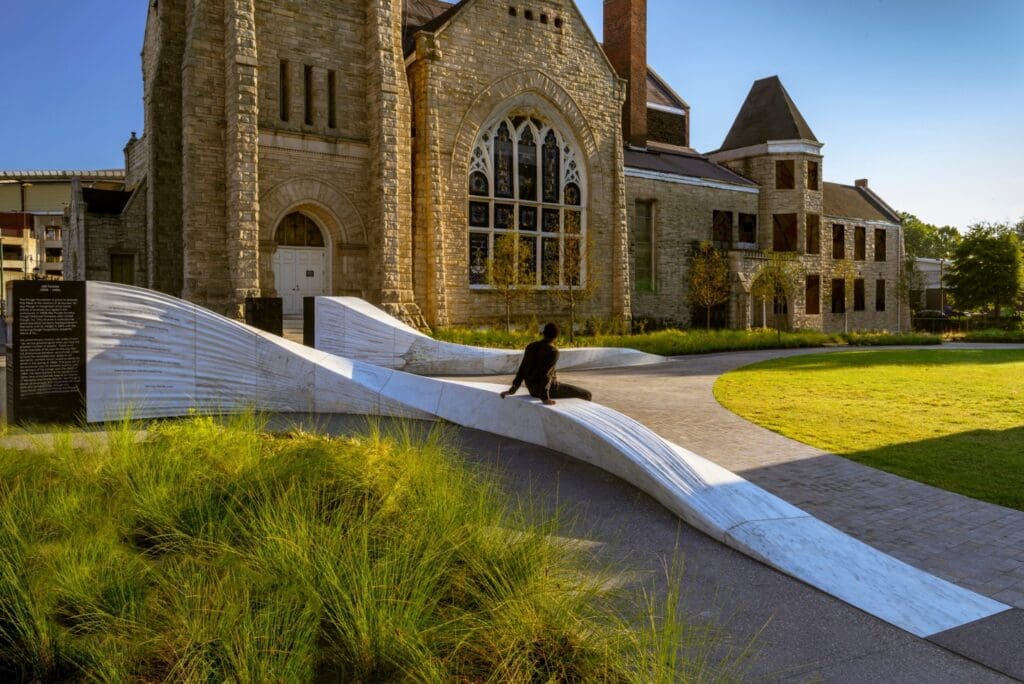
Stone artists work across styles, scales, and artistic boundaries to create sculptures that engage imagination and spark reflection. Whether abstract or figurative, these works demonstrate how art can transform space and give form to ideas that words alone cannot express.
Through careful use of materials, contrast, and artistic vision, stone sculptures enhance both outdoor and interior public spaces—bridging architecture, landscaping, interiors, and artistic expression. Zen-inspired rock placements can create a serene atmosphere in gardens, while stone mosaics, stepping stones, and creative DIY stone art projects can enhance the visual appeal of both outdoor areas and interiors. Incorporating garden edging and decorative pebble ideas into stone art designs further elevates the aesthetic of these spaces. Natural stone, with its varied textures, encourages public interaction, promoting social cohesion and mental well-being. Looking ahead to 2026, stone remains a premier choice for public art due to its permanence and its ability to symbolize community strength.
Human Interaction and Public Stone Sculpture
Human interaction is at the heart of public stone sculpture, making these installations a vital part of community life. Whether it’s a marble sculpture in a bustling plaza or a series of stone elements integrated into a landscaped garden, public art installations are designed to engage people on a personal level. These works invite visitors to explore, touch, and reflect, transforming public spaces into places of connection and discovery.
The use of natural stone, such as rocks and boulders, creates a striking contrast with the surrounding urban architecture, enhancing the visual appeal and making each installation more memorable. This interplay between art and environment encourages residents and visitors alike to pause, interact, and find meaning in their surroundings. By fostering a sense of hope, joy, and community, public stone art not only beautifies spaces but also enriches the daily lives of those who encounter it. Through thoughtful design and placement, artists create inviting environments that inspire conversation, reflection, and a deeper sense of belonging.
Why Public Art in Stone Matters
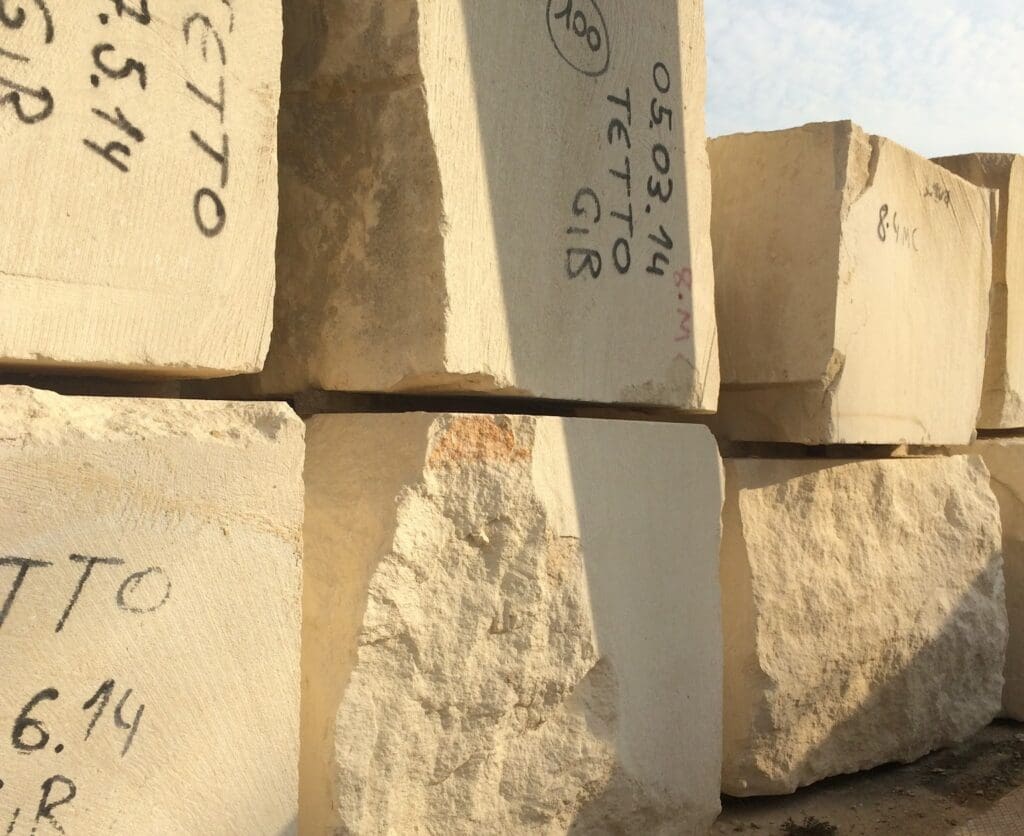
The importance of public art in stone lies in its permanence, meaning, and ability to connect people across time. Unlike traditional art exhibitions, which are typically confined to galleries, public art installations are dynamic, site-specific, and engage the public within natural or urban landscapes. These sculptures demonstrate how art can reflect culture, history, and shared values while remaining accessible to everyone.
By shaping public spaces with thoughtful, well-crafted stone art, communities invest in lasting beauty, cultural depth, and meaningful engagement—ensuring that art remains a visible, living part of everyday life. However, urban air pollution can cause surface erosion on carbonate stones like limestone and marble, resulting in ‘black crusts’ that pose preservation challenges for these public artworks.
Conclusion: The Lasting Legacy of Stone in Public Art
The enduring presence of stone in public art, from marble sculpture to monumental installations, continues to shape the cultural, aesthetic, and economic landscape of communities around the world. Iconic public art installations serve as lasting symbols of a city’s history, values, and creative spirit, while also promoting human interaction and community engagement in the public sphere.
The exceptional quality and visual appeal of stone elements—whether rocks, boulders, or intricately carved sculptures—make public spaces more inviting and memorable for residents and visitors alike. As a vital component of urban settings, public stone art plays a crucial role in reflecting culture, fostering a sense of community, and demonstrating a commitment to creativity and the arts. By investing in these enduring works, cities and communities ensure that public art remains a source of inspiration, pride, and connection for generations to come.
The importance of public art in stone lies in its permanence, meaning, and ability to connect people across time. Unlike traditional art exhibitions, which are typically confined to galleries, public art installations are dynamic, site-specific, and engage the public within natural or urban landscapes. These sculptures demonstrate how art can reflect culture, history, and shared values while remaining accessible to everyone.
By shaping public spaces with thoughtful, well-crafted stone art, communities invest in lasting beauty, cultural depth, and meaningful engagement—ensuring that art remains a visible, living part of everyday life. However, urban air pollution can cause surface erosion on carbonate stones like limestone and marble, resulting in ‘black crusts’ that pose preservation challenges for these public artworks.

FAQs About Public Art in Stone
1. Why is public art in stone considered the premier material for installations?
Stone is unmatched in its permanence and durability, making it ideal for the public sphere. Unlike many modern materials that may degrade over time, stone is highly resistant to fire, rot, and weathering. This ensures that sculptural installations can remain part of a community’s cultural fabric for decades or even millennia, serving as a lasting legacy for future generations.
2. How does public stone art benefit the local economy?
Public art acts as a powerful economic driver by transforming ordinary spaces into “destination” landmarks. Iconic sculptures and marble statues attract tourism, which increases foot traffic for nearby businesses, hotels, and restaurants. Additionally, these installations can enhance neighborhood desirability, leading to higher property values and attracting new investments to the area.
Modern stone carving machines are highly versatile. They can handle marble, granite, quartzite, soapstone, slate, and limestone, as well as engineered options like artificial marble. Many machines are also capable of milling non-stone materials such as wood, glass, and even certain metals.
3. What are the logistical challenges of using natural stone for large sculptures?
The primary challenges are weight and cost. Because natural stone is incredibly heavy, it requires specialized transportation and high-detail strategic planning for installation, which can make it more expensive than lighter, synthetic alternatives. However, many cities view this as a worthwhile investment because the material’s longevity significantly reduces the need for frequent replacement or extensive maintenance.
4. How does public art contribute to community safety and well-being?
Public art plays a surprising role in urban psychology. Well-placed stone sculptures encourage people to gather and interact, which increases foot traffic in an area. This “eyes on the street” effect naturally enhances public safety and livability. Furthermore, research suggests that public art can increase a sense of trust within neighborhoods, particularly in marginalized communities, by fostering a shared sense of pride and belonging.
5. How are cities ensuring the preservation of stone art against modern challenges like pollution?
While stone is durable, carbonate stones like marble and limestone can be susceptible to surface erosion and “black crusts” caused by urban air pollution. To combat this, organizations in 2026 are increasingly using 3D scanning to create high-fidelity digital archives for future restoration. Many municipalities also now require dedicated maintenance funds to be established upfront before a permanent stone work is accepted.
