

Key Takeaways
- Natural stone remains a defining material for luxury hospitality design in 2024–2026, anchoring lobbies, reception areas, outdoor dining spaces, and wellness areas with authenticity and timeless appeal.
- The difference between natural stone and manufactured stone veneer matters: many five-star hotel properties still invest in quarried stone for its unique veining, durability, and graceful aging.
- Quarra Stone collaborates with architects and designers on custom-cut stone façades, lobby fireplaces, and interior feature walls for hotel brands across North America and Europe.
- Natural stone withstands heavy guest traffic, weather, and cleaning protocols while performing better over decades than most synthetic alternatives.
- This article provides concrete design examples, material suggestions, and practical considerations for specifying stone in new builds and major renovations.
Introduction: Why Stone Still Defines Luxury Hospitality
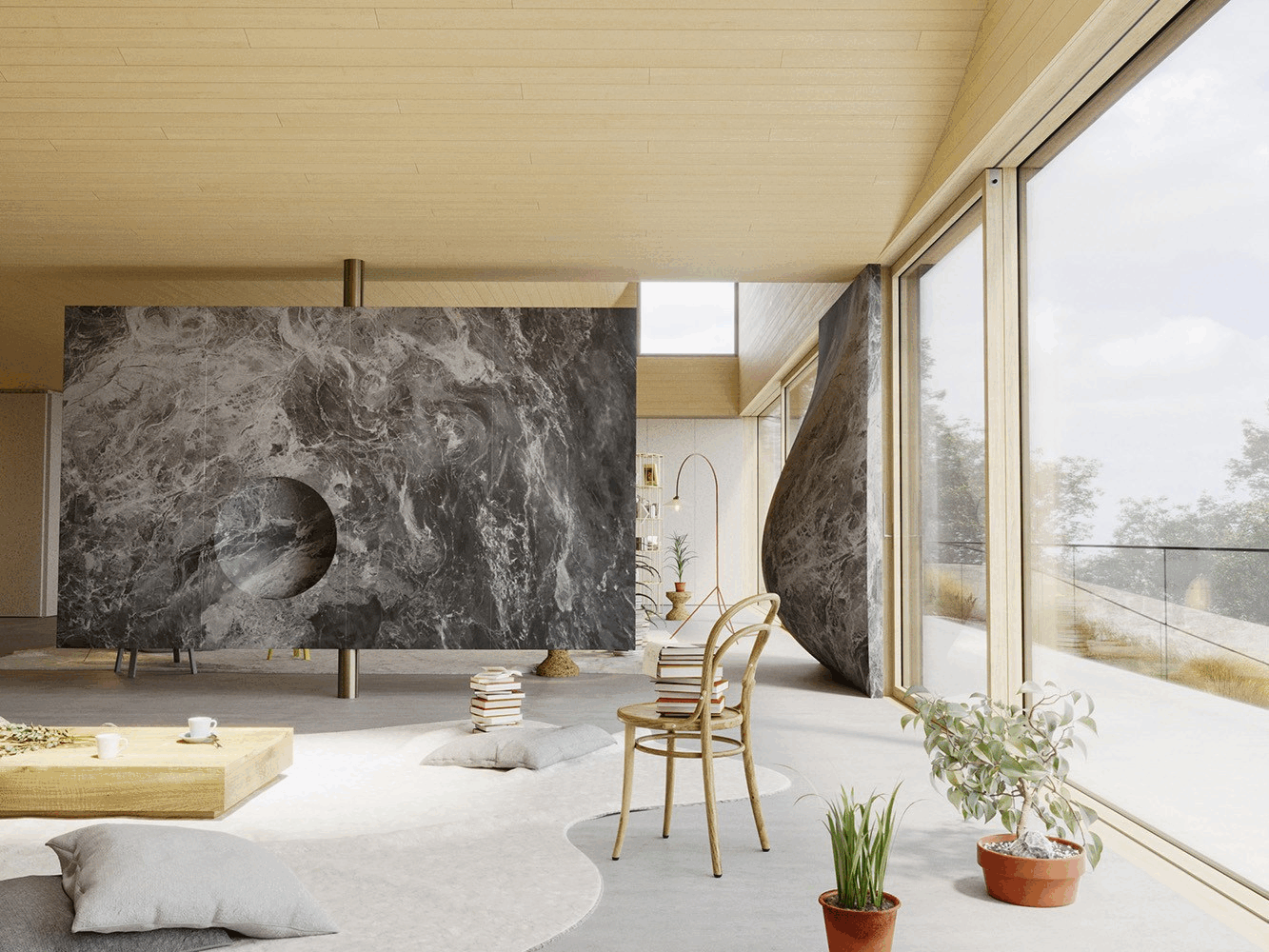
Walk into any well-designed hotel lobby, and the first thing you register is material. Cool limestone underfoot, a textured granite wall catching the light, the weight and calm of something genuinely geological. Natural stone is a staple in luxury hospitality architecture because it brings a sense of permanence and organic texture that no printed surface can replicate.
Between 2015 and 2026, luxury hotel design has shifted toward biophilic, wellness-focused hospitality spaces where stone, wood, and daylight work together to create a welcoming atmosphere. Quarra Stone operates at the center of this shift as a specialist in architectural natural stone for high-end hospitality projects – particularly façades, lobby spaces, and custom-cut cladding. Unlike purely decorative finishes, natural stone becomes part of the hotel’s identity over decades, not just design cycles.
The Case for Natural Stone vs. Manufactured Stone Veneer in Hotels
Understanding the distinction is essential for any hotel project. Quarried natural stone is solid, full-depth material with a unique mineral composition. Manufactured stone veneer is lighter than natural stone – it is cast from concrete and pigments, allowing for efficient installation on various wall systems and prepared surfaces. Manufactured stone veneer enhances hotel aesthetics at lower costs and is durable and suitable for high-traffic hospitality areas, making it a practical option for secondary spaces.
Natural stone is generally preferred for entry façades, structural elements, major lobby fireplaces, and grand staircases. Stone veneer may suit upper-level accent walls, lightweight retrofits, or back-of-house corridors. Over time, natural stone develops patina and subtle color changes that manufactured products cannot match. Manufactured stone veneer is engineered for long-term durability, and high-quality stone veneer resists weather exposure and fading, yet its repeating mould patterns eventually reveal themselves in ways quarried stone never does.
The upfront cost of natural stone is higher, but lifecycle value is stronger – natural stone features can last for decades, minimizing replacements, while manufactured veneer may need refurbishing within 10–15 years in harsh environments. Stone veneer improves visual cohesion across large hotel properties when used alongside full-depth stone in a hybrid strategy, and Quarra Stone regularly helps teams balance budget, structure, and design vision across a single project.
Designing Arrival Experiences: Facades, Porte-Cochères, and Reception Areas
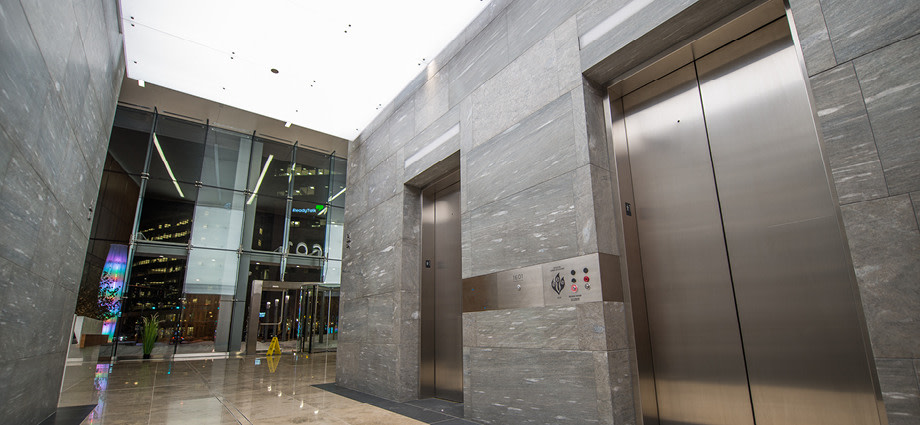
The main entrance sets the brand tone immediately. Stone-clad hotel facades and porte-cochère columns – whether European-inspired limestone entryways or modern granite rainscreen systems on urban towers – signal sophistication before guests reach the front desk. Natural stone enhances hotel lobbies with grandeur and sophistication, and its unique patterns enhance hotel brand identity in ways no manufactured material can.
In reception areas, feature walls behind the desk, honed stone reception counters, and carved signage in limestone or sandstone create an inviting aesthetic. The unique veining and color variations of natural stone provide bespoke aesthetic appeal that reinforces brand storytelling. Polished granite and limestone are used for durable flooring in these high-traffic zones.
Consider warm limestone for resorts seeking rustic charm, cool gray granite for sleek city hotels, and textured sandstone for mountain or desert properties. Consistent joint patterns, precise corner treatments, and integrated lighting channels reveal stone relief and natural textures. At the Shore Hotel in Santa Monica, hand-carved Indian sandstone panels with a wave pattern demonstrated how custom fabrication transforms a hotel lobby into art. Quarra Stone engineers and fabricates large-format panels and custom profiles for complex entry sequences and double-height lobby volumes.
Lobby Fireplaces and Gathering Spaces
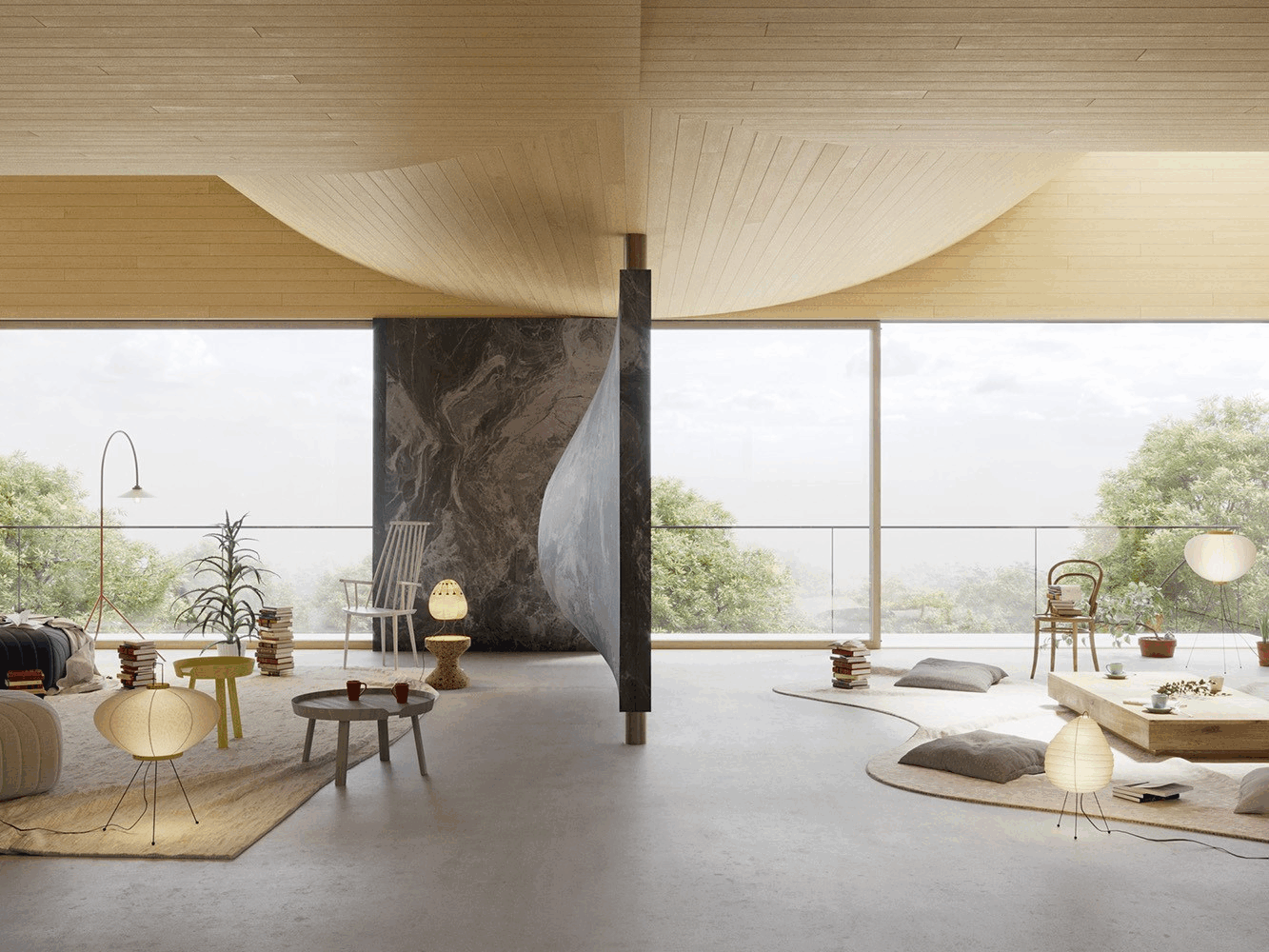
Since around 2010, lobby fireplaces have evolved into social hubs where stone surrounds, mantels, and seating elements anchor the space. In alpine lodges, monolithic floor-to-ceiling stone masses define the room. In contemporary urban hotels, finely jointed large-format stone panels paired with a gas fireplace create a more restrained atmosphere.
Dense limestones and granite handle radiant heat, soot, and regular cleaning. Stone flooring, low walls, and integrated benches around a fireplace reinforce circulation patterns and encourage guests to linger. Quarra Stone can provide pre-engineered fireplace assemblies and precisely cut stone components that integrate with commercial-code gas or electric fireboxes.
Stone in Restaurants, Bars, and Outdoor Dining Spaces
Natural stone elevates hotel restaurants and bars through veined marble bar fronts, granite bar tops that offer durability in daily service, and deeply textured feature walls. These elements bring elegance without sacrificing practicality – natural stones resist staining, scratching, and chipping under the demands of food and beverage operations.
In outdoor dining spaces, stone-clad bars, planters, kitchen islands, and low seating walls blur indoor-outdoor boundaries and extend the overall guest experience. Stone veneer and manufactured stone veneer can complement full-depth stone in less structurally demanding applications like upper-level balcony walls. Subtle lighting integrated into stone walls or steps creates safe, atmospheric patios and terraces that remain inviting through the evening.
Wellness Areas, Spas, and Pools
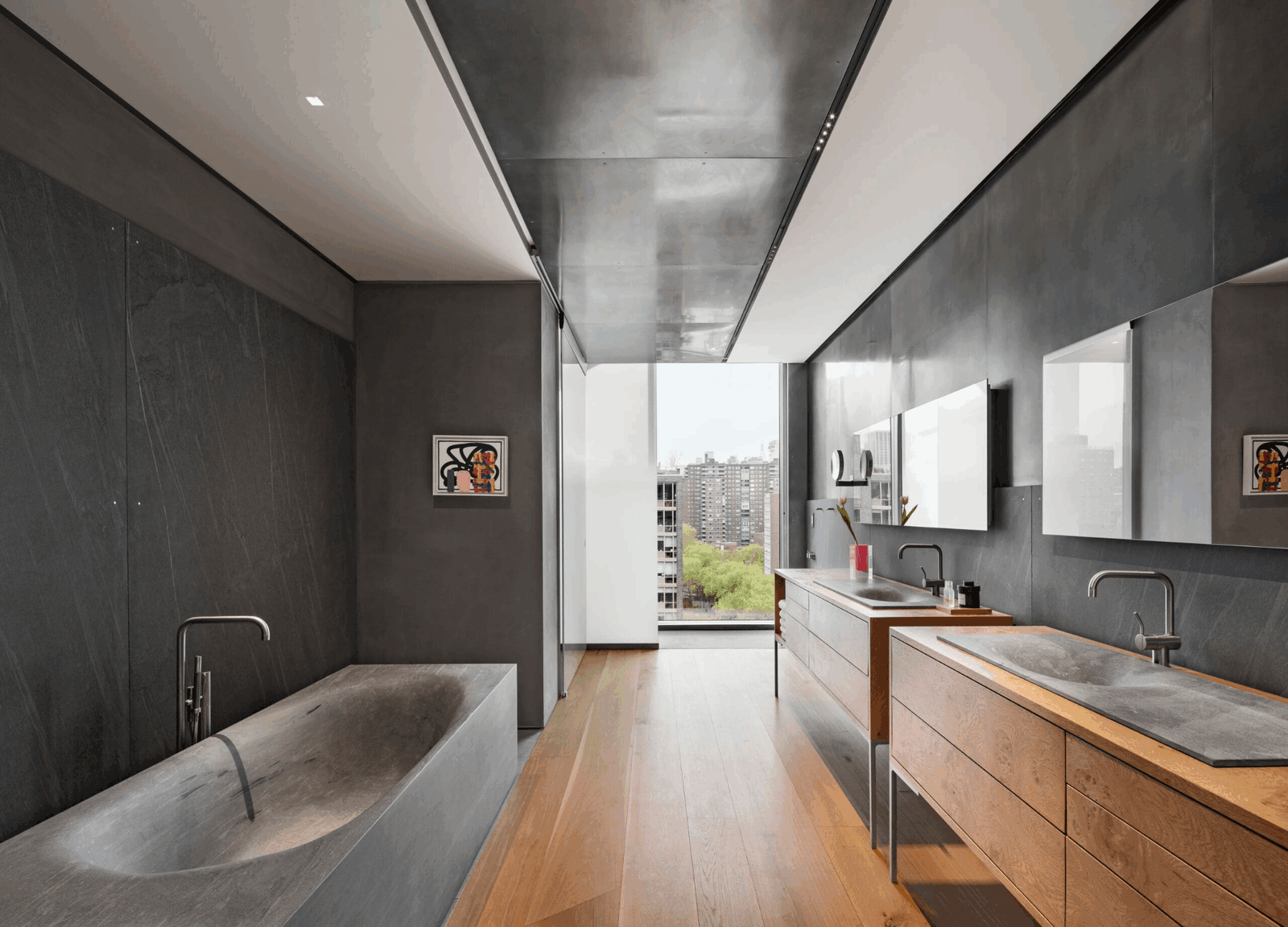
Materials in wellness areas must support relaxation through calm color palettes, water interplay, and tactile richness. Natural stone offers unique natural textures that enhance aesthetic value in spa reception desks, therapy room accent walls, steam room entrances, pool decks, and water-feature backdrops. Travertine and limestone are popular choices for pool deck surfaces, while marble countertops create spa-like bathrooms in luxury hotels.
Slip-resistant finishes, low water absorption rates, appropriate sealers, and compatibility with pool chemicals are non-negotiable technical requirements. Cool stone surfaces and subtle veining contribute to a sense of luxurious relaxation. Quarra Stone helps select stone species and finishes that balance spa aesthetics with hygiene standards and maintenance protocols in high-traffic wellness areas.
Guest Corridors, Suites, and Quiet Luxury Details
Using natural stone strategically on guest room levels avoids overloading structure or budget while still signaling quality. Targeted applications work best: stone thresholds, bathroom flooring, vanity tops, shower walls, and small entry niches where guests physically touch the material. Marble countertops create spa-like bathrooms that elevate the guest experience in even a modest room.
Stone is crucial for reducing noise in busy hotel environments, and it passively regulates indoor temperatures through thermal mass – both advantages in corridors and suites. Stone wainscoting or baseboards protect against luggage impacts. Restrained stone detailing supports the quiet luxury trend with timeless beauty and tactile richness. Quarra Stone coordinates consistent stone selections across public spaces and guestrooms so the material story feels unified from lobby to suite.
Integrating Natural Stone Into Outdoor Spaces and Landscapes
Stone terraces, garden walls, stairways, and plazas extend the hotel experience into outdoor spaces. Natural stone provides slip-resistant surfaces for outdoor hotel areas, and stone is commonly used for creating pathways and water features in hotel landscapes. Stone pathways enhance outdoor spaces in hotel environments while connecting exterior cladding to landscape elements in a continuous material language.
Low walls, seat-height plinths, and stone planters double as informal seating around event lawns and gardens. In cold climates, stone must resist de-icing salts and freeze-thaw cycles. Quarra Stone collaborates with landscape architects to supply matching or complementary stone for site walls, steps, and outdoor dining spaces.
Technical Considerations: Structure, Climate, and Maintenance
Full-depth stone versus thin stone veneer on hotel façades carries different structural implications – anchorage systems, backup wall requirements, and compliance with IBC and ASTM standards all require careful coordination. Climate performance demands attention to freeze-thaw durability, salt exposure in coastal hotels, and thermal movement.
Maintenance in hospitality means daily cleaning with pH-neutral products, periodic resealing, and joint inspection. Properly detailed stone handles luggage, rolling carts, and cleaning chemicals better than many alternatives. Quarra Stone’s project teams support architects from early detailing through shop drawings and fabrication to maintain hospitality construction schedules.
Renovating Existing Hotels With Natural Stone
Typical renovation scenarios include updating a dated hotel lobby with new stone flooring and feature walls, or re-cladding an entrance canopy to refresh brand image. Thin natural stone and hybrid systems reduce structural demands in older buildings. Manufactured stone veneer can be installed over prepared surfaces in weight-constrained situations. Prefabricated stone panels installed during off-peak seasons minimize downtime in busy properties. Quarra Stone supports complex renovation logistics through precise templating, just-in-time delivery, and trade coordination.
Sustainability and the Long Life of Stone in Hospitality Design
Natural stone is a sustainable choice for hotel design. It requires minimal processing, reducing its carbon footprint compared with many synthetic claddings. Natural stone aligns with the trend of eco-friendly and biophilic hotel designs by connecting interiors to geological and regional context. Regional sourcing – using North American limestone or granite, or stone from Italy for European properties – further limits transport emissions.
With service lives of 40–80 years, natural stone delivers lower lifecycle impacts than natural materials that need frequent replacement. Reclaimed stone adds sustainability by reusing materials in design. Quarra Stone provides technical documentation, quarry information, and finish data to assist with sustainability certifications and owner ESG reporting.
Working With Quarra Stone on Hospitality Architecture
Quarra Stone’s core capabilities for hospitality projects include custom-cut natural stone façades, interior cladding, flooring, ceiling details, and feature elements. The typical workflow moves from early design consultation through stone selection, digital modeling, shop drawings, fabrication, and site delivery.
Quarra collaborates with architects, interior designers, and contractors to align stone choices with brand standards, budgets, and construction schedules. Their experience spans large convention hotels, boutique urban properties, and resort developments with extensive outdoor spaces. Involve Quarra Stone early in concept design to optimize stone assemblies, reduce risk, and fully leverage the expressive potential of hospitality architecture stone.

FAQ: Natural Stone in Hospitality Architecture
How do I decide between natural stone and manufactured stone veneer for a hotel project?
Natural stone is best for highly visible, high-touch elements – main façades, lobby floors, major fireplaces, and reception areas. Manufactured stone veneer offers a high-end appearance at lower costs and works well for secondary accent walls, light partitions, or upper levels where weight and budget are constrained. Evaluate brand positioning, structural capacity, climate, and expected renovation cycles, then consult Quarra Stone early for a balanced strategy.
Which types of natural stone work best around pools and outdoor dining spaces?
Dense limestones, granites, and sandstones with textured, slip-resistant finishes perform best. They stay comfortable under bare feet and resist pool chemicals and de-icing salts. Avoid highly polished surfaces in wet zones. Quarra Stone can propose specific stone species and finishes tested in similar hospitality climates and usage patterns.
Can natural stone meet fast-track hospitality construction schedules?
Yes. Early coordination, digital modeling, and prefabricated stone panel systems shorten on-site installation times compared with traditional masonry. Locking in selections and quantities during design development prevents delays from material changes or re-approvals. Quarra Stone’s fabrication planning and logistics are built around commercial timelines with defined opening dates.
How much maintenance does natural stone require in a busy hotel?
Maintenance varies by stone type and finish, but generally involves routine sweeping, damp mopping with pH-neutral cleaners, and periodic resealing. Properly selected stone handles luggage, rolling carts, and food and beverage spills. Develop a written maintenance plan during design, so hotel operations teams know the correct products and procedures from opening day.
At what project stage should we contact Quarra Stone for a hospitality development?
Reach out during concept or schematic design so stone options, thicknesses, and anchoring systems can inform structural and envelope decisions. Early involvement lets Quarra Stone provide samples, budget ranges, and technical input that prevent redesign later. Share preliminary sketches, brand guidelines, and performance requirements to start a focused conversation about bringing timeless appeal and craft to your next project.
