

Across cities, campuses, and civic landmarks, architectural details are what transform buildings into lasting symbols. The history of stone applied to architecture is linked to human beings since the beginning of time. Among the most influential of these details are stone balustrades, stone columns, and complementary façade elements—features that define space, enhance safety, and communicate history, quality, and permanence. For example, structures like Stonehenge demonstrate how stone enabled a connection with another space and another time. Built to withstand heavy use and environmental exposure, stone architectural elements remain a cornerstone of both classical architecture and refined contemporary design. These details are thoughtfully created by skilled artisans, ensuring each piece is unique and enduring. Technological development has always gone hand in hand with the history of stone in architecture and construction.
Stone Balustrades as Integral Architectural Elements
Stone balustrades play a critical role in shaping public and private environments. As both a safety feature and a design element, a balustrade provides structure along stairways, terraces, balconies, and elevated walkways while enhancing the overall appearance of a space.
Unlike composite materials or concrete, natural stone balustrades offer unmatched longevity, texture, and visual depth. Their weight, durability, and ability to withstand moisture, temperature shifts, and heavy use make them ideal for outdoor and commercial applications. Whether used on monuments, facades, or to enhance a home’s exterior, stone balustrades and façades significantly boost curb appeal and property value. Stone façades enhance the exterior appeal of homes, providing a timeless and elegant look that mimics traditional masonry. Stone façades can be made from natural stone or stone veneer, each offering unique benefits in terms of aesthetics and functionality. These architectural elements can be used to cover and protect building exteriors, ensuring both enhanced aesthetics and long-lasting durability. A stone balustrade becomes an integral part of the built environment rather than a surface-level addition.
Columns: Structure, Form, and Timeless Beauty
Few architectural elements carry the symbolic power of columns. From Ancient Greece to the present day, columns have represented strength, order, and civic importance. Today, stone columns continue to anchor public spaces, providing both structural support and visual rhythm.
The Romans took stone engineering to its highest level, developing significant civil works during the Roman Empire. In the late Middle Ages, the Gothic architecture movement aimed to create higher, slimmer, and more luminous structures using stone; the ribbed vaults and pillars in Gothic cathedrals are reminiscent of trees, supporting the structure and elevating its aesthetic. During the Renaissance, the study of classical architecture led to significant advancements in stone construction techniques. Later, the catenary arch developed by Antoni Gaudí optimized the use of stone in architecture by allowing constructions without buttresses.
Marble and granite are especially valued for column construction due to their durability, beauty, and historical significance. White marble columns evoke classical tradition, while granite columns offer exceptional strength for exposed and high-traffic environments. Together, these materials create a perfect match for balustrades, panels, and other architectural elements, forming cohesive stone compositions that enhance both interiors and outdoor spaces.
Types of Stone Used
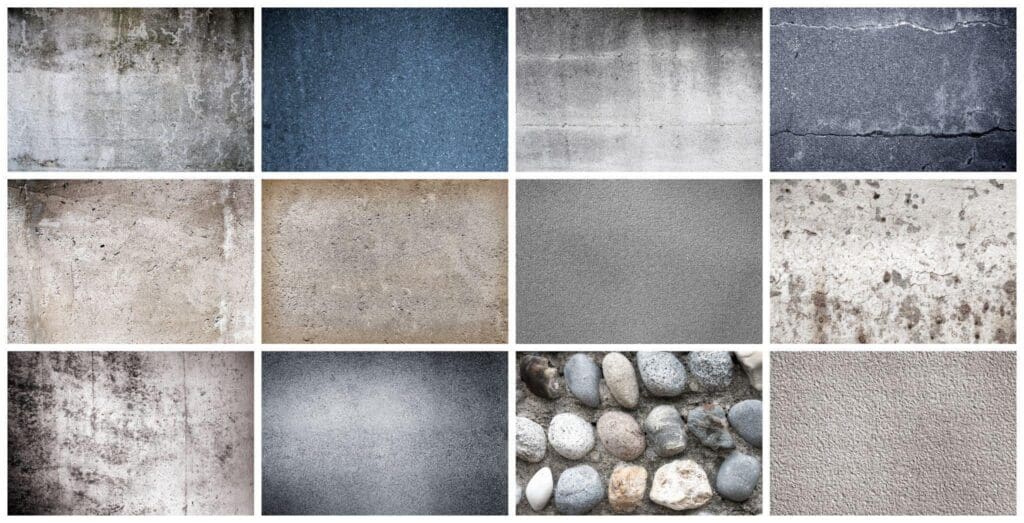
Selecting the right type of stone is essential for achieving the desired balance of durability, aesthetics, and functionality in any architectural project. Natural stone options such as marble, granite, and sandstone each bring their own unique qualities to the table. Marble is celebrated for its elegant veining and luminous finish, making it a perfect match for both classical architecture and contemporary design. Its refined appearance adds a touch of luxury and timeless beauty to interiors and facades alike. Granite, known for its exceptional durability and ability to withstand heavy use, is often chosen for outdoor spaces and high-traffic areas where strength and resilience are paramount. Its natural texture and range of colors make it a versatile solution for both structural and decorative elements. Sandstone, with its slip-resistant surface, is ideal for pathways, steps, and other outdoor applications where safety and natural aesthetics are key. By carefully selecting the appropriate stone—whether marble for elegance, granite for strength, or sandstone for texture—architects and builders can create spaces that are not only beautiful but also built to last.
Natural Stone vs. Modern Materials
While composite materials and manufactured panels may offer short-term solutions, they cannot replicate the life span, texture, or authenticity of stone. Natural stone—including marble, granite, and sandstone—ages gracefully, developing character rather than deteriorating over time. The 20th century saw the emergence of new architectural languages that incorporated stone as a cladding material rather than a structural one.
When discussing panels, the development of ultralight stone panels represents a significant advancement in the use of stone in contemporary architecture.
The longevity and enduring quality of stone balustrades are a direct result of the high standards and craftsmanship maintained during the manufacture of stone products, ensuring compliance with industry specifications and exceptional durability.
Stone is also an environmentally responsible choice, requiring minimal processing compared to synthetic materials. Natural stone has a lower carbon footprint and embodied energy than many manufactured materials. Its longevity reduces replacement cycles, making it ideal for restoration projects, commercial structures, and public installations built to last for centuries.
Classical Influence in Contemporary Design
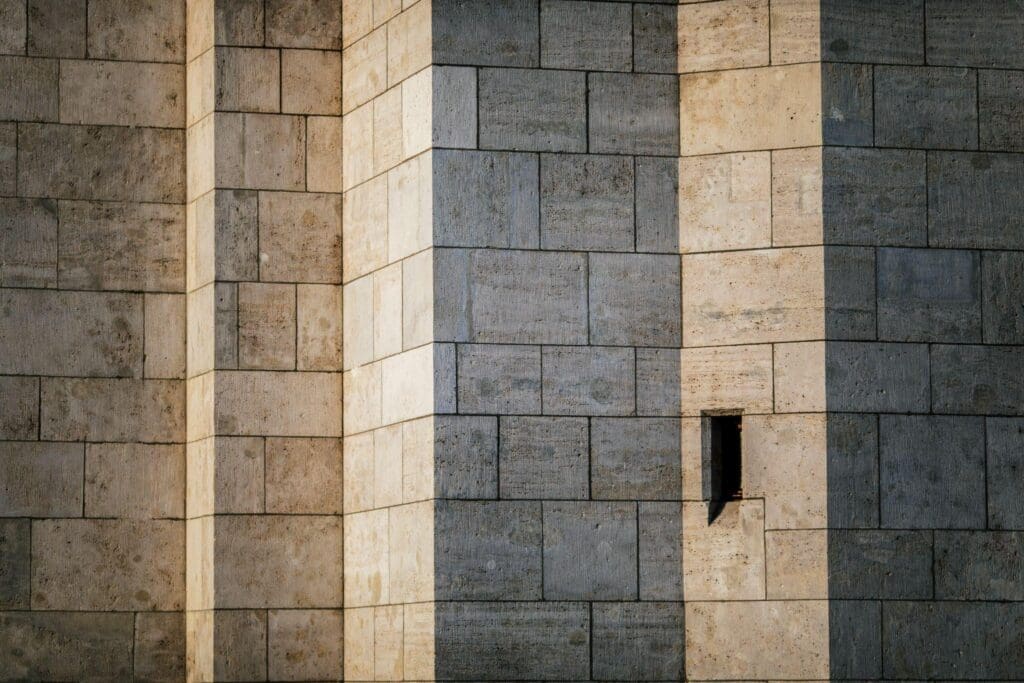
Although rooted in tradition, stone architecture is not confined to the past. Today’s architects frequently blend classical form with contemporary design principles, using stone to create contrast, texture, and visual balance. Clean-lined stone columns, minimalist balustrades, and refined stone panels allow designers to reference history while meeting modern performance and aesthetic goals.
This combination of classic and modern design ensures stone remains relevant across styles, projects, and spaces—from civic buildings and monuments to residential interiors and outdoor environments.
Durability, Safety, and Long-Term Value
Stone’s inherent durability makes it uniquely suited for structures subjected to constant use. Properly manufactured and installed stone elements maintain their form, appearance, and safety over time with minimal maintenance.
Stone balustrades and columns:
- Withstand heavy loads and weather exposure
- Maintain structural integrity for decades
- Enhance safety along elevated spaces
- Retain beauty with regular maintenance
For example, natural stone such as granite boasts incredibly high compressive strength, making it ideal for structural and load-bearing applications like staircases and balconies.
This longevity translates into higher quality, reduced lifecycle costs, and lasting value for builders, homeowners, and commercial clients. Homes with comprehensive stone installations can see a 15% increase in overall property worth in 2026. Natural stone is one of the most sustainable building materials available, with low embodied carbon. While natural stone offers a high-end, unique appearance, it is higher in price and weight compared to cast and synthetic stones. Natural stone features typically yield a 90–100% return on investment. Stone provides a classic, high-end look that has been popular for centuries and often adds significant resale value to a property. Natural stone weathers gracefully, developing a patina that adds to its character. It requires little upkeep compared to alternatives such as concrete or composite materials. Natural stone is an environmentally responsible choice due to its minimal processing and local sourcing. It can be expertly cut and finished to provide smooth, slip-resistant surfaces. Natural stone is recyclable and reusable, minimizing construction waste. It provides a timeless and elegant look that mimics the appearance of traditional masonry. Renowned for its strength, natural stone provides a surface that withstands heavy use without compromising beauty. Its long lifespan makes it a cost-effective investment for city planners and architects.
Sustainability and Environmental Impact
Natural stone stands out as an environmentally responsible choice for architects and builders alike. Unlike composite materials, which require extensive processing and generate significant waste, natural stone is quarried and finished with minimal environmental impact. Many varieties of stone are locally sourced, reducing transportation emissions and supporting regional economies. Additionally, natural stone is highly valued in restoration projects for its ability to be recycled and reused, minimizing construction waste and extending the life of existing structures. By choosing natural stone, homeowners and builders contribute to a more sustainable built environment, making a positive impact on both the landscape and the community. This commitment to sustainability ensures that stone remains a preferred material for those seeking eco-friendly solutions without compromising on quality or beauty.
Comfort and Climate Responsiveness
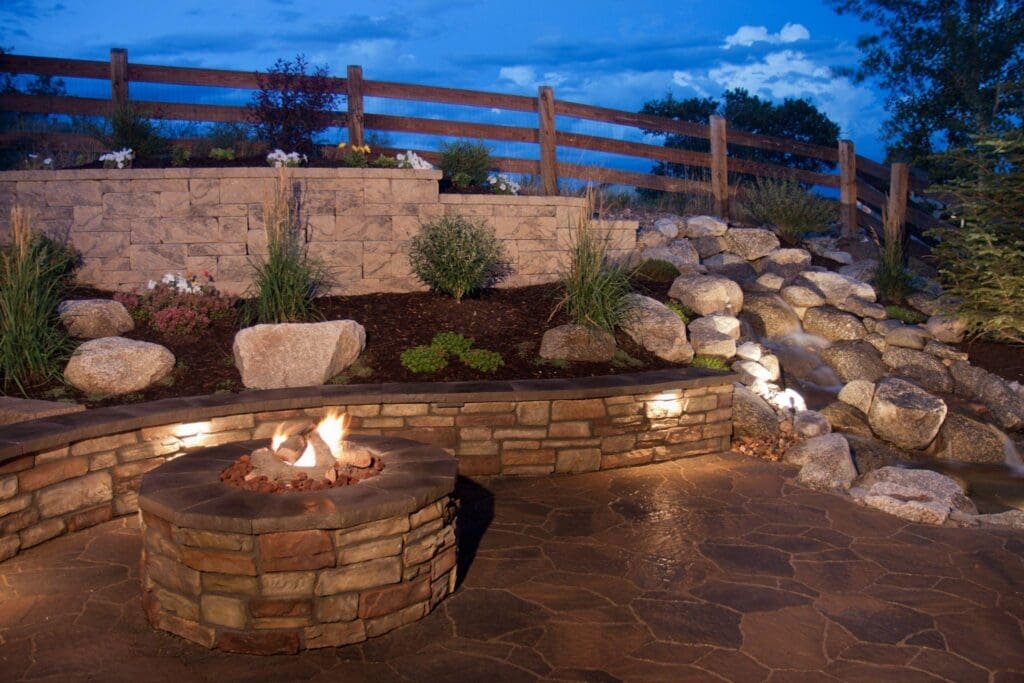
Natural stone offers exceptional comfort and adaptability across a wide range of climates. Thanks to its thermal mass, stone absorbs and releases heat gradually, helping to regulate indoor temperatures and reduce reliance on mechanical heating and cooling systems. In warm climates, stone’s natural cooling properties create comfortable interiors, while in colder regions, its ability to retain warmth enhances energy efficiency. For outdoor spaces, natural stone can be finished with textured surfaces—such as flamed or sandblasted treatments—that improve traction and reduce the risk of slips, even when exposed to moisture. This makes stone an excellent choice for patios, walkways, and pool surrounds, where safety and comfort are paramount. The inherent qualities of natural stone ensure that it not only enhances the beauty of a space but also contributes to a healthier, more comfortable environment year-round.
Restoration and Preservation
Preserving the beauty and integrity of natural stone is a vital part of maintaining our architectural heritage. While natural stone is renowned for its durability and longevity, restoration projects require specialized expertise to address the unique challenges of aging materials. Skilled architects and builders who specialize in stone restoration use traditional techniques and authentic materials to repair and rejuvenate historic monuments and structures. Through careful maintenance and restoration, natural stone can withstand the test of time, maintaining its elegance and historical significance for generations. These efforts not only protect the physical structure but also honor the craftsmanship and history embedded in each stone element. By investing in the preservation of natural stone, we ensure that the stories and beauty of the past continue to inspire the present and future.
Maintenance and Upkeep
One of the key advantages of natural stone is its ease of maintenance and long-term durability. Unlike concrete or composite materials, which may require frequent repairs or even replacement, natural stone can withstand heavy use and exposure to the elements with minimal upkeep. Routine cleaning and occasional sealing are typically all that is needed to maintain the stone’s structural integrity and visual appeal. This makes natural stone a practical and elegant choice for a wide range of applications, from residential interiors to commercial exteriors. Homeowners and builders benefit from reduced maintenance costs and the assurance that their investment will retain its beauty and function over time. By choosing natural stone, you create a space that is not only stunning and durable but also easy to maintain, supporting a more sustainable and cost-effective approach to building and design.
Craftsmanship, Creation, and Installation
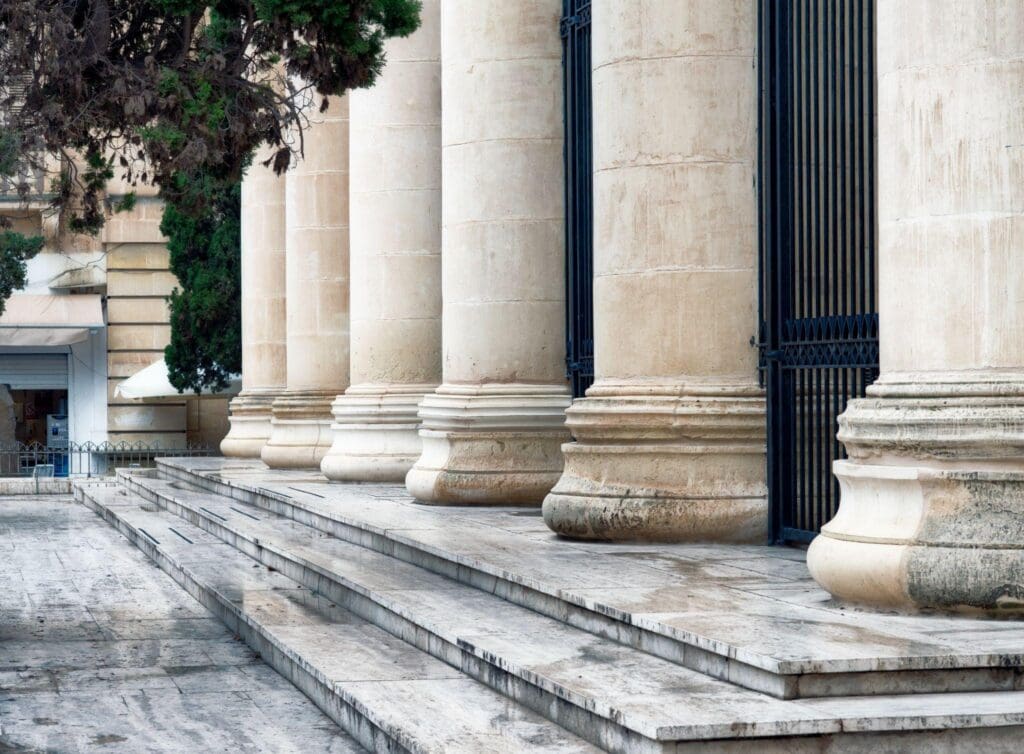
The creation of architectural stone elements requires deep expertise. These elements are custom-created to meet specific design specifications, ensuring each project is unique and tailored. From quarry selection to final installation, each step is critical to achieving the desired form, texture, and finish. For tighter budgets, cast stone can replicate the look and feel of natural stone while offering similar low-maintenance benefits. Skilled stone specialists produce elements that enhance aesthetics while meeting structural and safety requirements.
Stone columns can be customized in size and design, allowing for a range of capitals and finishes. The capital is the decorative top of a column that transitions to the structure above and defines the style of the column. Stone fabrication allows architects to realize their design vision with precision—producing balustrades, columns, and panels that are built, installed, and maintained to exacting standards. Stone balustrades require installation on a level, solid foundation and must comply with local building codes regarding spacing of balusters. Cast stone balustrades have been incorporated in fine architecture to create enduring elegance. MeltonStone™ cast stone balustrades are offered in numerous classic designs and sizes to allow for complete design flexibility. Balustrade heights of 24″ to 42″ and higher are available to meet local code and design requirements. MeltonStone™ Cast Stone Balustrades exhibit the same ‘maturing’ characteristics as natural stone, which create visual enhancement year after year. MeltonStone™ cast stone also provides a smoother and more consistent surface texture than precast concrete or other wet cast products.
Stone as a Living Architectural Tradition
Stone architecture connects the past and present through material continuity. From classical monuments to modern civic spaces, stone has remained a trusted solution for centuries. Its natural beauty, durability, and adaptability ensure it will continue to shape the built environment for generations to come.
Whether used to beautify a public plaza, enhance a commercial façade, or define a private space, stone remains essential to architecture that values quality, longevity, and timeless style.
Bring Your Vision to Life with Stone
At Quarra Stone, we specialize in architectural stone solutions that enhance space, structure, and design intent. From custom stone balustrades and columns to large-scale commercial installations and restoration projects, our team works closely with architects and builders to produce enduring stone elements of exceptional quality.
Contact Quarra Stone to discuss your next project and discover how natural stone can elevate your design from concept to completion.
(Q & A) Questions and Answers
1. Why is natural stone preferred over composite materials for balustrades and columns? Natural stone offers unmatched longevity and visual depth that synthetic materials cannot replicate. Unlike composites or concrete, natural stone ages gracefully, developing a unique patina over time rather than deteriorating. It is also more environmentally responsible, requiring minimal processing and offering a much lower carbon footprint than manufactured alternatives.
2. How does the use of stone architectural elements impact property value? Incorporating natural stone into a design is a high-value investment. In 2026, homes with comprehensive stone installations can see an increase in overall property worth of up to 15%. Because stone is durable and timeless, these features typically yield a 90% to 100% return on investment (ROI) by boosting curb appeal and reducing long-term maintenance costs.
3. What are the best types of stone for high-traffic or outdoor areas? Selection depends on the specific needs of the space:
- Granite: Ideal for high-traffic areas and structural loads due to its exceptional strength and resistance to heavy use.
- Marble: Preferred for its elegant veining and luminous finish in both classical and contemporary facades.
- Sandstone: Frequently used for pathways and steps because of its natural slip-resistant surface.
4. Can stone help with a building’s energy efficiency? Yes. Natural stone has high thermal mass, which allows it to absorb and release heat gradually. This climate responsiveness helps regulate indoor temperatures—keeping interiors cool in the summer and retaining warmth in the winter—which can reduce a building’s reliance on mechanical heating and cooling systems.5. What is the difference between natural stone and cast stone? Natural stone is quarried directly from the earth and is unique in its texture and color. Cast stone is a highly refined architectural precast concrete product designed to simulate natural cut stone. While natural stone is often prized for its unique character and high-end appeal, cast stone can be a cost-effective alternative that provides a smooth, consistent surface texture while meeting similar safety and code requirements.
