


Selecting the best stone for durability is essential for any project where longevity, beauty, and function matter. Choosing the most durable stone is crucial to ensure your surfaces withstand environmental elements and deliver long-lasting performance. Whether you’re designing interior spaces like kitchen countertops or bathroom countertops, or building for outdoor spaces such as pool decks, outdoor paving, or retaining walls, understanding the unique properties of different stones ensures the right choice for every application. Each stone type and finish offers unique benefits tailored to specific aesthetic and functional needs.
Natural stone is prized not only for its visual appeal and timeless look but also for its ability to withstand wear, heat, and high foot traffic when chosen and finished appropriately. Consider these factors carefully to achieve the best results for your next project.
Introduction to Natural Stone
Natural stone has long been a favorite for both construction and renovation projects, thanks to its remarkable combination of durability, aesthetic appeal, and versatility. With a wide range of options—such as granite, marble, and quartzite—choosing the right stone for your project can feel daunting. Each type of natural stone offers unique characteristics, from the classic elegance of marble to the rugged strength of granite. Understanding these differences, along with the variety of stone finishes available, is key to selecting the right stone for your needs. Whether you’re searching for a durable natural stone for high traffic areas or a polished stone finish to elevate your kitchen countertops, natural stone provides a timeless investment that enhances any space.
Choosing the Right Stone: Factors That Affect Durability
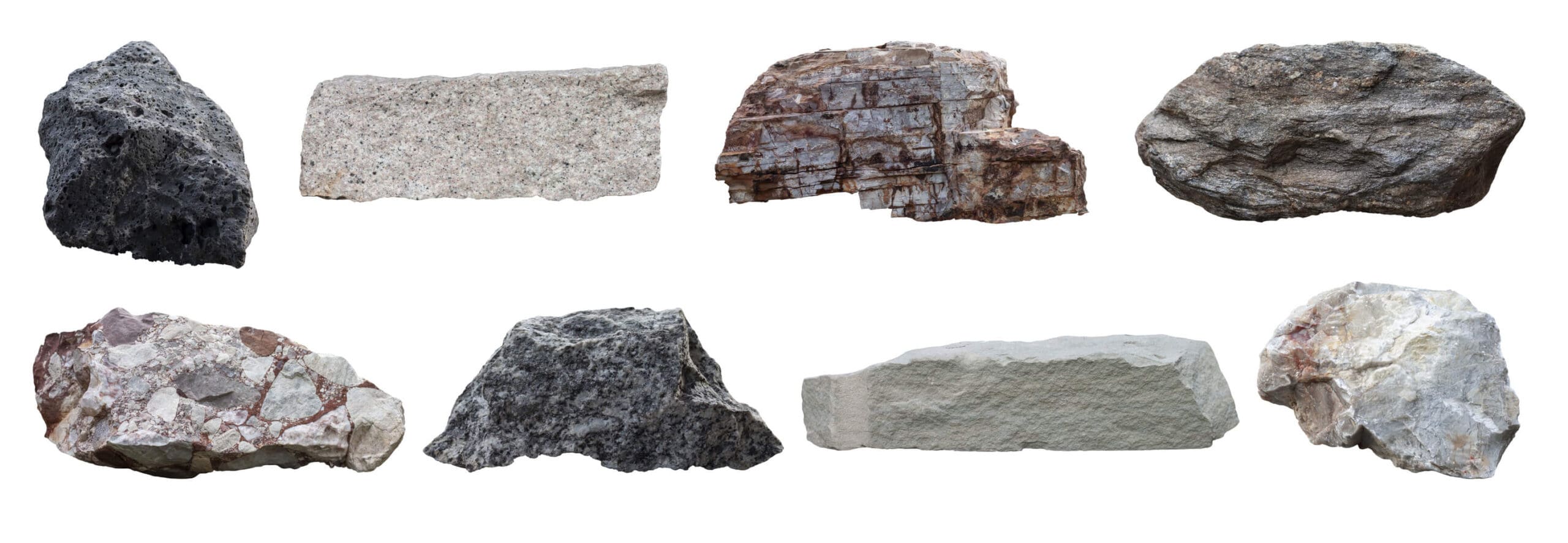
When choosing natural stone, several factors determine its durability:
- Metamorphic rock such as marble and quartzite offers strength and resilience, but marble, which ranks around a 3 on the Mohs hardness scale, is relatively soft and more susceptible to scratches. This lower position on the Mohs scale means marble may require more maintenance to resist stains and acidic substances.
- Granite is considered one of the most durable stones, highly resistant to abrasion, heat, and moisture, making it ideal for kitchen countertops and high-traffic areas. Granite is also one of the most popular and durable natural stones available.
- Stone’s ability to handle freeze-thaw cycles, high temperatures, and exposure to mild acids or other chemicals is crucial for outdoor applications.
- Water absorption affects longevity, so stone for outdoor use should be sealed properly to prevent damage.
Stones are typically evaluated based on hardness (Mohs scale), porosity (water absorption), and compressive strength.
Most natural stones benefit from sealing to enhance stain resistance and maintain appearance.
Climate Considerations
When choosing natural stone, it’s essential to factor in the climate and environmental conditions where the stone will be used. Different stones respond differently to high temperatures, moisture, and freeze-thaw cycles. For example, in dry climates with intense heat, selecting a stone that can withstand high temperatures and resist fading from sunlight is crucial. In regions prone to freezing, the right stone must be able to handle freeze thaw cycles without cracking or deteriorating. By carefully considering your local climate, you can ensure that your chosen stone remains both beautiful and functional, providing lasting value and performance in any environment.
Stone Finishes That Enhance Durability
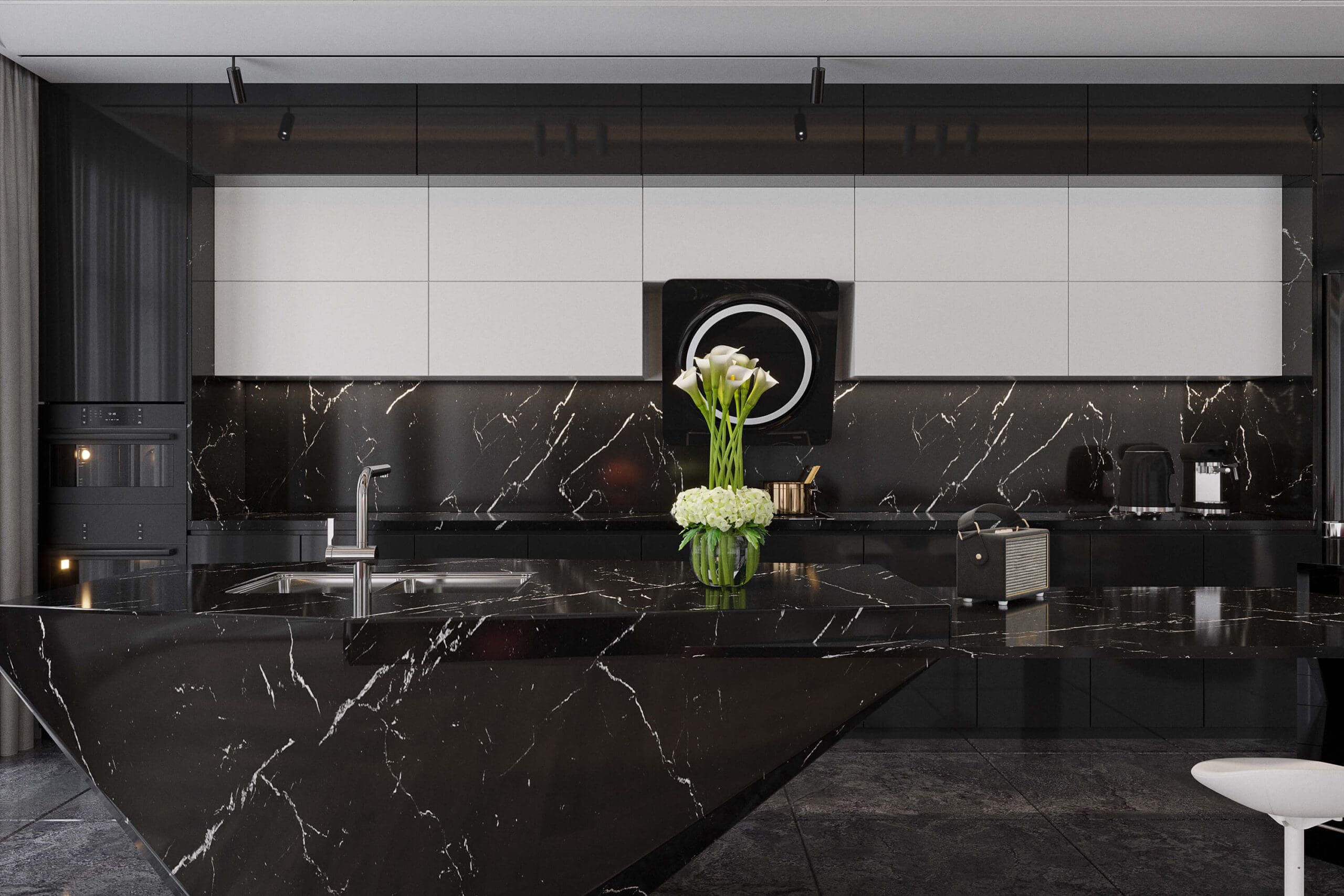
Stone finishes play a major role in both aesthetics and performance. The most popular stone finishes for durability include:
- Polished finish or polished surfaces: High gloss and smooth, ideal for interiors but may require regular cleaning to maintain appearance and hide fingerprints.
- Honed finish or honed surface: Creates a matte surface by grinding and sanding, resulting in a smooth, non-reflective appearance that emphasizes natural beauty and conceals imperfections. Less slippery and suitable for high foot traffic areas.
- Leathered finish: Adds texture, is effective at hiding fingerprints, water spots, and smudges, and hides scratches. Leathered stone finishes are more stain- and slip-resistant and require minimal maintenance compared to polished finishes, making them perfect for kitchen countertops or pool surrounds.
- Tumbled stone finish or tumbled finish: Rustic texture that is slip resistant and suitable for outdoor paving.
- Flamed stone finish: Slip resistant and abrasion resistant
- Textured finish: Finishes like natural cleft enhance the surface by adding texture, which emphasizes the stone’s natural characteristics and rustic charm. Improves slip resistance, enhances natural color, and provides a uniform texture across the surface.
Choosing the right stone finish ensures both safety and longevity, especially in high traffic areas or outdoor kitchens.
Leathered Stone Finish
A leathered stone finish is an increasingly popular choice for those seeking a distinctive, tactile surface that stands up to daily use. Created by brushing the stone with specialized tools, this finish results in a soft, textured feel that is both inviting and practical. The leathered stone finish excels in high traffic areas and on kitchen countertops, as it effectively hides fingerprints, water spots, and smudges. Its low maintenance requirements and impressive durability make it a smart option for busy households or commercial spaces. If you’re looking for a stone finish that combines style, resilience, and ease of care, the leathered stone finish is an excellent choice.
Marble, Granite, and Other Stones: Comparing Durability
- Marble: Offers timeless elegance and a natural color palette, but requires sealing and regular maintenance. Ideal for decorative purposes and areas with less wear.
- Granite: Granite is widely considered the strongest natural stone used in construction due to its exceptional strength and resistance to heat, scratches, and weathering. It is also widely considered the best durable stone for construction and countertops due to its igneous formation, making it incredibly hard, heat-resistant, scratch-resistant, and low-absorption. Granite is one of the hardest substances in the world and is resistant to wear, heat, and household chemicals. It resists heat, moisture, and scratches, making it a perfect stone for heavily used surfaces.
- Quartzite and other metamorphic stone: Quartzite is formed from sandstone but is much harder, making it an extremely durable natural stone for outdoor applications. It ranks around a 7 on the Mohs scale, making it even harder than granite. The presence of other minerals in quartzite contributes to its varied colors, aesthetic appeal, and durability. Highly resistant to heat and wear, quartzite and other metamorphic stones have unique properties that make them a versatile choice for both indoor and outdoor areas.
Understanding stone’s natural colors, abrasion resistance, and slip resistant properties helps designers select the right material for each project, ensuring both functionality and beauty.
High-Traffic Areas
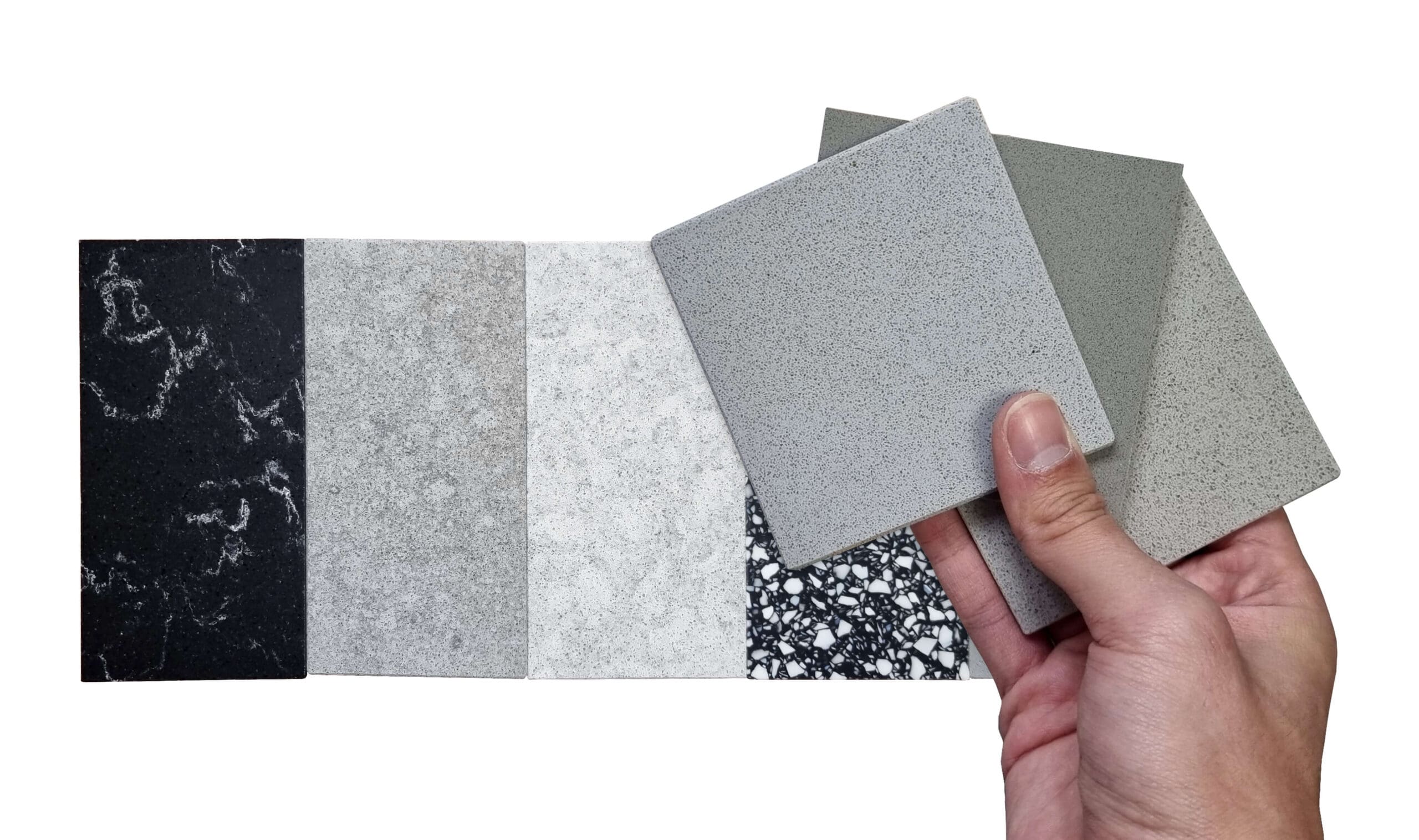
For spaces that see heavy foot traffic—like kitchens, bathrooms, and entryways—selecting a durable natural stone is essential. The best stone finishes for these areas are those that offer slip resistance and can withstand heat, moisture, and daily wear. While a polished stone finish may look stunning, it can be slippery and show wear more quickly in high traffic areas. Instead, consider a honed or leathered finish, which provides better traction and hides signs of use. When choosing the right stone for these demanding spaces, prioritize options that are both tough and easy to maintain, ensuring your surfaces remain safe and attractive over time.
Kitchen Countertops
Kitchen countertops are the heart of any kitchen, and choosing the right stone can make a significant difference in both function and style. When selecting stone for your kitchen countertops, focus on materials that offer outstanding durability and heat resistance. Granite is a top choice, renowned for its ability to withstand hot pots, scratches, and daily wear. Marble, while prized for its unique aesthetic appeal, may require more maintenance due to its porous nature, but its natural beauty is unmatched. By considering the specific needs of your kitchen and the look you want to achieve, you can find the right stone and finish to create a stunning, long-lasting centerpiece for your home.
Outdoor Applications: Weather and Wear Considerations
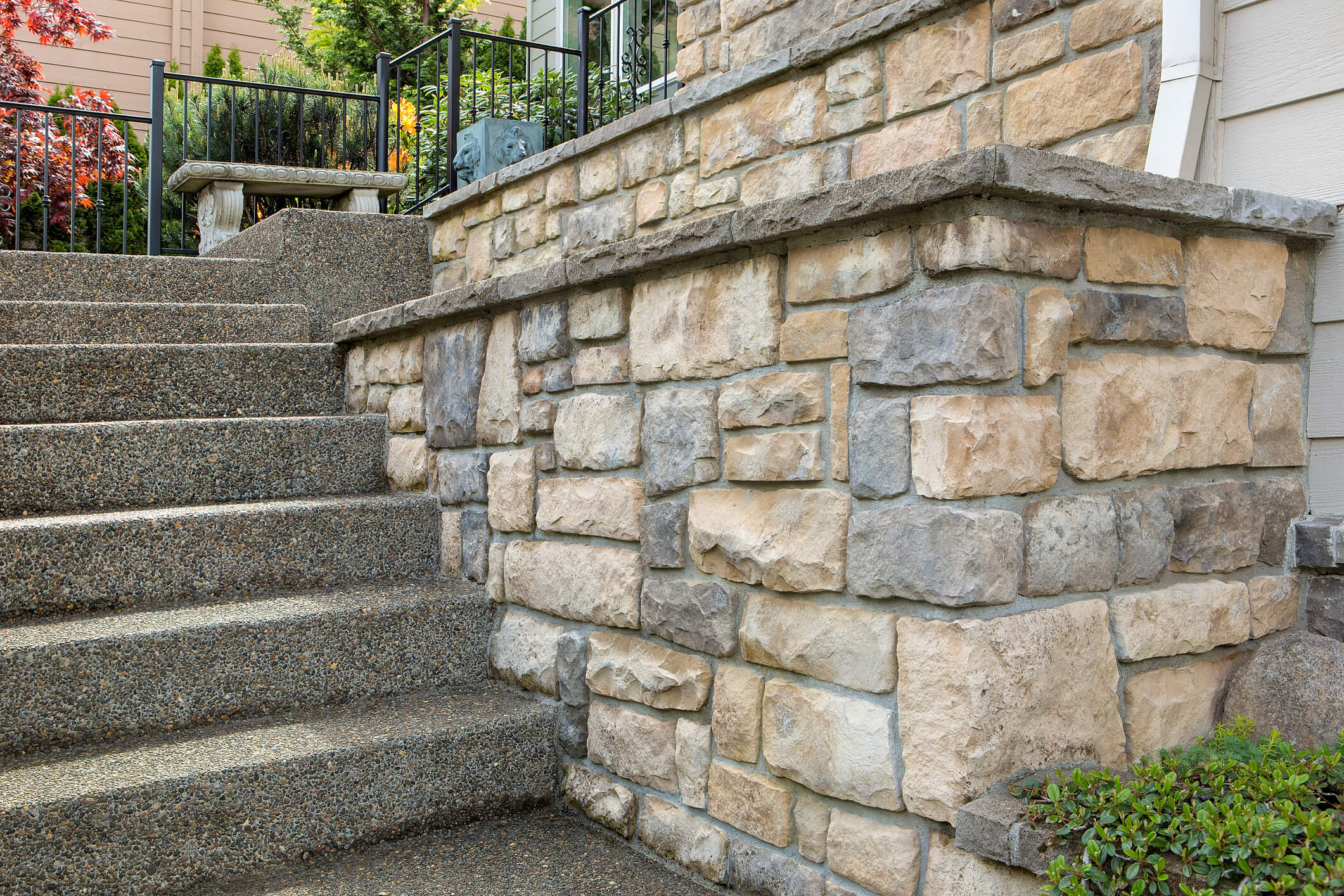

For outdoor spaces, stone must endure high temperatures, freeze-thaw cycles, and exposure to water. Slate is naturally resistant to freezing temperatures and won’t easily crack, making it suitable for cold climates. Stones with low porosity and stain-resistant finishes are ideal. Granite and quartzite are excellent for pool decks, terraces, and outdoor paving due to their heat-resistant properties and the stone’s ability to withstand outdoor conditions. Dense granite offers excellent resistance to moisture when properly sealed, making it suitable for humid climates. Choosing a slip-resistant finish is important for safety in wet conditions, especially in humid climates. Leathered or textured finishes can enhance slip resistance in high foot traffic areas. Natural cleft finishes enhance the stone’s natural characteristics and provide increased slip resistance, making them ideal for outdoor applications. Lightweight flexible stone panels are a top choice for commercial facades with a Class A2 fire rating and resistance to extreme thermal cycles down to -40°C. Granite, basalt, and slate are commonly used for building facades, cladding, and monuments due to their resistance to freeze-thaw cycles and weathering. Crushed granite and basalt are used as heavy-duty aggregates in road construction, railway ballast, and bridge foundations.
Achieving the Perfect Balance
The right stone balances durability, maintenance requirements, and aesthetic appeal. For indoor areas, polished finishes highlight stone’s natural beauty, while for outdoor use, textured or leathered surfaces enhance safety and longevity. By considering stone finish, material type, and environmental factors, designers and builders can select a perfect stone for every application.
From marble vs granite vs quartzite, to stone’s ability to withstand wear, proper selection ensures your surfaces remain beautiful and functional for years to come.

(Q & A) Questions and Answers
1. Which natural stone is considered the most durable for kitchen countertops? Granite is widely regarded as the best durable stone for kitchen countertops. As an igneous rock, it is incredibly hard, heat-resistant, and scratch-resistant. It ranks high on the Mohs hardness scale, meaning it can withstand hot pots and daily kitchen activity better than softer stones like marble. For those seeking even greater hardness, quartzite is an excellent alternative, ranking around a 7 on the Mohs scale.
2. What is a leathered stone finish, and why is it good for high-traffic areas? A leathered finish is created by brushing the stone with specialized tools to produce a soft, textured feel. It is highly recommended for high-traffic areas and kitchen countertops because it excels at hiding fingerprints, water spots, smudges, and minor scratches. Additionally, leathered finishes offer increased slip resistance compared to polished surfaces, making them safer for bathrooms and outdoor pool surrounds.
3. How does climate affect the choice of natural stone for outdoor paving? Climate is a critical factor in stone longevity. In regions prone to freezing, it is essential to choose stones with low porosity, like granite or slate, that can handle freeze-thaw cycles without cracking. For hot, sunny climates, selecting a stone that withstands high temperatures and resists fading is key. Proper sealing is also necessary for outdoor applications to prevent water absorption and damage from environmental elements.
4. Is marble durable enough for high-traffic flooring? While marble offers timeless elegance, it ranks around a 3 on the Mohs hardness scale, making it softer and more susceptible to scratches and acidic stains than granite. For high-traffic areas, a honed or leathered finish is often better than a polished one, as these finishes conceal wear and provide better traction. Regular sealing and maintenance are required to preserve marble’s appearance in demanding environments.
5. What stone finishes are best for slip resistance in outdoor spaces? For outdoor paving, pool decks, and walkways, safety is a priority. Textured finishes—such as flamed, tumbled, or natural cleft—are ideal because they increase slip resistance. A flamed finish, in particular, is highly abrasion-resistant and suitable for exterior use. These textured surfaces emphasize the stone’s natural characteristics while providing the necessary grip for wet or high-traffic conditions.
