

Key Takeaways
● Quarra Stone designs, engineers, and fabricates monumental stone installations for civic, cultural, and educational projects across North America and Europe, bringing precision and artistry to every piece.
● Thoughtful monumental stone design in public spaces balances structural performance, elegant appearance, and long-term durability across demanding urban and cemetery landscapes.
● Early collaboration between architects, landscape architects, engineers, and stone specialists is essential to align design intent, cost, and constructability.
● Material selection-granite, limestone, marble, sandstone-must respond to climate, foot traffic, and desired aesthetic for memorial monuments and civic landmarks.
● This article also answers practical Q&A about maintenance, vandalism, light integration, and regulatory constraints for stone monuments in public settings.
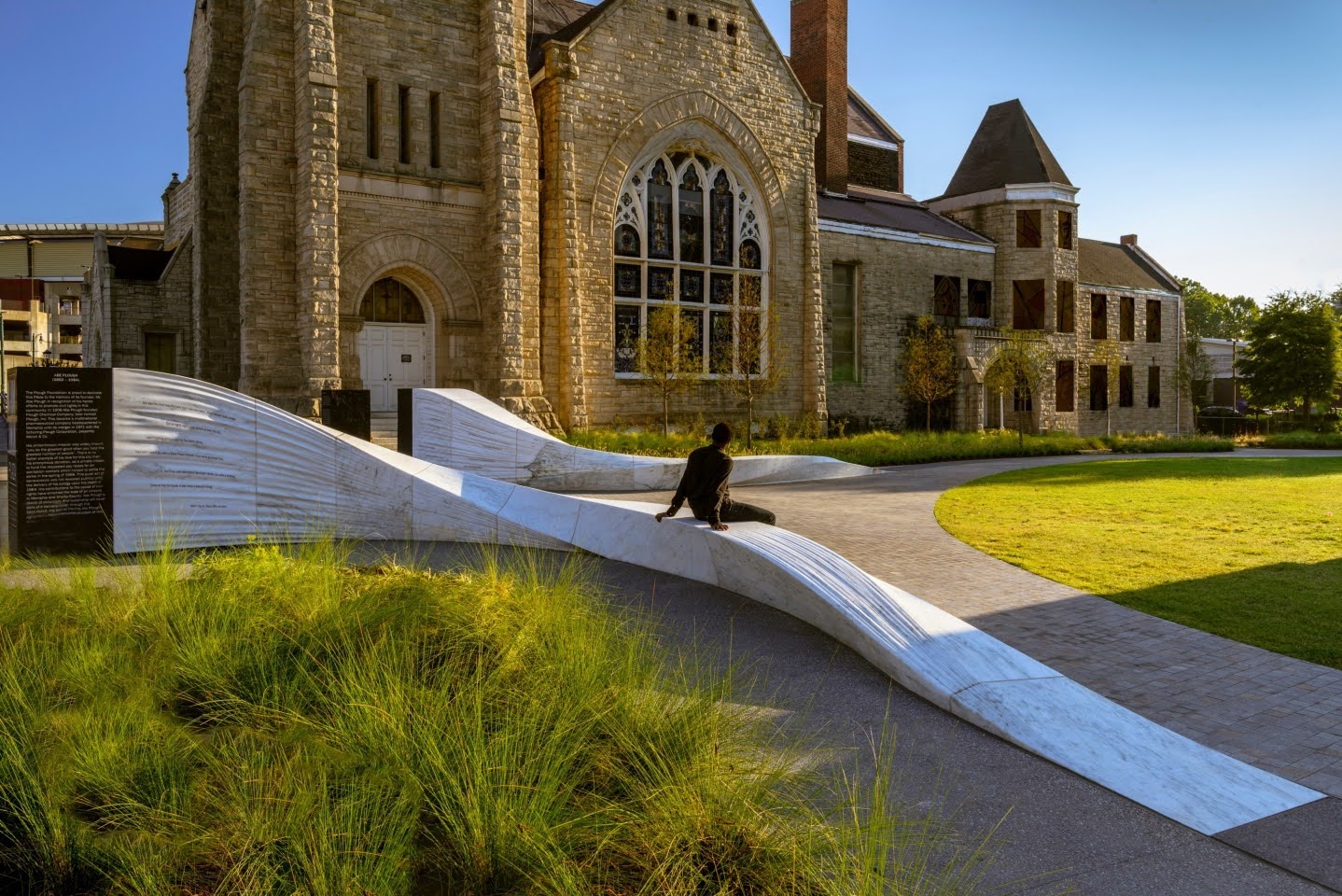
Introduction: The Role of Monumental Stone in Public Life
Monumental stone design is utilized for landmark structures like temples and public spaces, shaping how people move through plazas, campuses, and cemetery landscapes worldwide. Memorial monuments honor lives and tell personal stories-from veterans’ memorials that honor those who served in the military to civic gateways that define a city’s identity. Monumental stone structures often reflect authority and cultural memory through their grandeur, whether a 20th-century war memorial in Washington, D.C., or a contemporary sculptural facade on a European museum.
Quarra Stone specializes in complex architectural stone fabrication, serving architects, artists, and public agencies on projects that demand both sophistication and construction expertise. Unlike small commemorative headstones, large-scale public monuments organize circulation, frame views, and create gathering spaces that serve generations. This article covers design intent, site context, stone selection, detailing, fabrication technologies, and stewardship-the full suite of considerations for creating a lasting tribute in stone.
Establishing Design Intent for Monumental Stone Installations
The core purpose of a monument must be clear before a single block is quarried. Is the installation about remembrance, civic identity, wayfinding, or quiet reflection? Creating monumental designs requires balancing structural durability with personalized storytelling, translating abstract ideas like loss, resilience, or hope into stone geometry, scale, texture, and light effects. Custom memorials are designed to reflect individual lives, while civic works prioritize visibility, bold massing, and crowd flow.
Design briefs should articulate narrative goals (whose story is being told), experiential goals (procession, solitude, gathering), and performance goals (durability, accessibility, minimal maintenance). Custom stone sculptures are developed through design discussions and drawings with artists, architects, and community stakeholders. Early involvement of a fabricator like Quarra Stone ensures that artistic vision aligns with feasible panel sizes, joints, and budget. Custom designs ensure the final piece fits perfectly into its intended space.
Commemorative vs. Civic Stone Installations
Commemorative works-family memorial monuments, mausoleums, individual markers in a cemetery-emphasize privacy, personal inscription, and intimate craftsmanship. They typically stand 2–5 feet tall. Civic ensembles-plaza walls, processional stairs, pylons bearing inscriptions-may reach 20–70 feet and must maintain clarity and legibility from a distance. Stone color, finish, and massing shift accordingly: warm, subdued tones and subtle finishes complement contemplative cemetery landscapes, while polished dark granite with decorative symbols and large letters suits high-traffic urban squares. Firms like Stone Monuments have served over 1,000 families since 2011, with every monument 100% custom designed.
Understanding Site and Context in Public Space Design
Successful monumental stone design is inseparable from context. Designers must document climate (freeze-thaw cycles, de-icing salt exposure), topography, pedestrian routes, vehicular approaches, and seasonal sun paths. In cemetery landscapes, alignment with existing grave rows, mature tree canopies, drainage, and local regulations on height all influence placement. Urban plazas demand attention to skateboard wear, snow storage, and transit proximity. Local zoning, heritage guidelines, and accessibility codes (ADA ramps, tactile surfaces, handrails) further shape the design.
Integrating Stone Monuments into Landscape Architecture
Monumental stone design blends with nature to harmonize built structures with landscapes. Low seat walls, terraces, and ground-plane paving lead visitors toward focal memorial pieces. Monumental stone walls create a feeling of endurance and calm within architecture, while monumental stone design can harmonize heavy retaining walls with natural geography. Water management-surface slopes, drains, snow storage zones-is critical for protection against staining and freeze-thaw damage that can reduce flexural strength by up to 30%. Planting palettes that complement stone color and texture-evergreen backdrops for light limestones, ornamental grasses around weathered granites-enhance the sense of permanence.
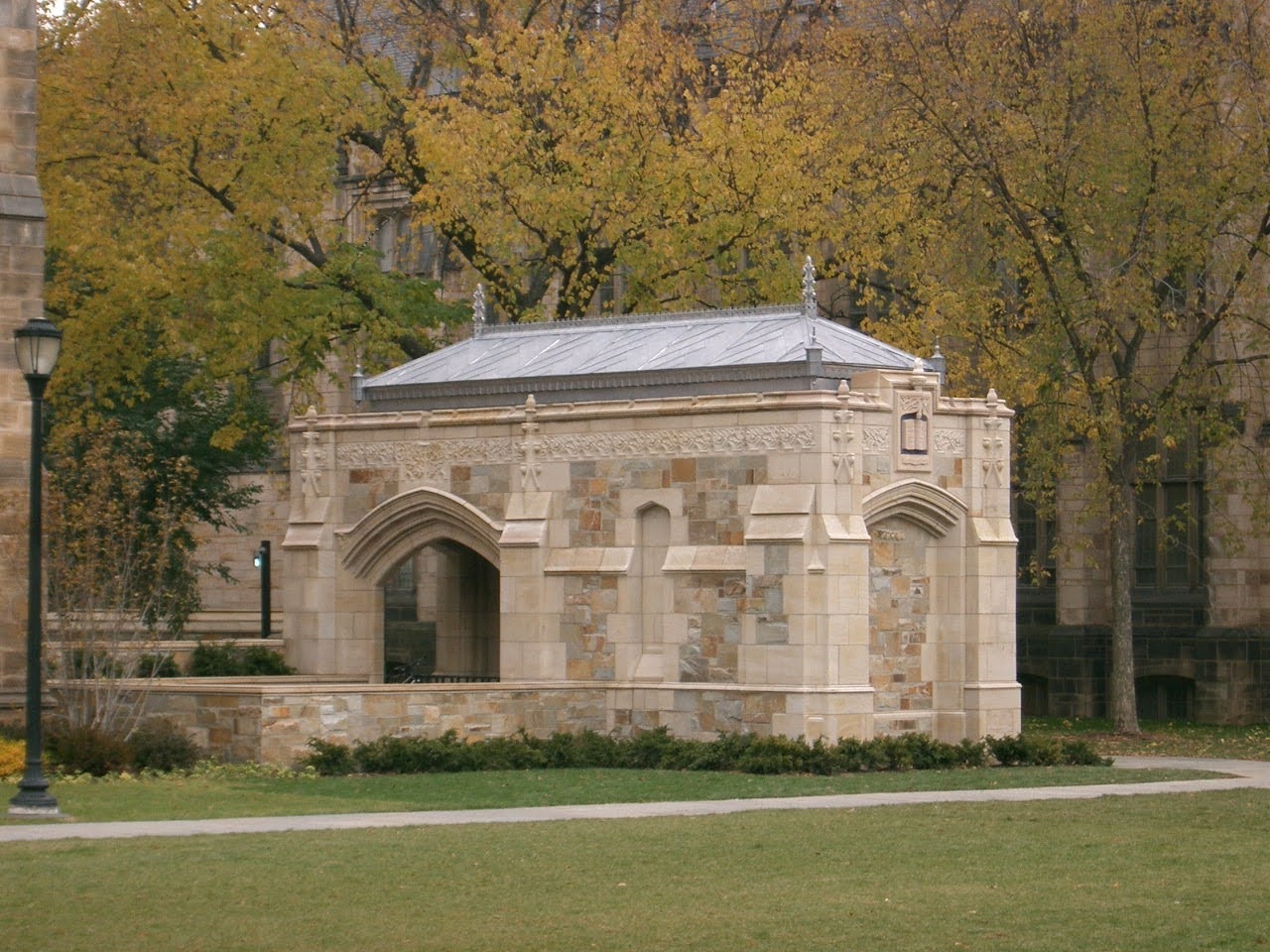
Selecting Stone for Durability and Elegant Appearance
Stone choice shapes both visual character and lifespan. Key performance criteria include compressive strength, porosity, abrasion resistance, and resistance to weather conditions, salts, and pollution. For exterior public work, test data and quarry provenance are critical decision factors. The goal is timeless beauty that ages gracefully. Modern monumental stone design combines raw stone with refined materials for luxury.
Material Profiles: Granite, Limestone, Marble, and Sandstone
● Granite: Hard, low-porosity, compressive strength often exceeding 150 MPa. Granite is highly resistant to weather and wear. Granite and bronze are often chosen for their durability against weathering in monuments. Granite sculptures are ideal for long-term outdoor use, ideal for high-traffic plazas and vertical memorials. The Victory Memorial Drive project used over 4,500 square feet of Lake Superior Green granite.
● Limestone: Warm tone, fine grain, suited to museum courtyards and academic memorials. Dense varieties with porosity under 15% perform significantly better in freeze-thaw climates.
● Marble: Valued for its smooth surface and fine detailing, marble delivers beautiful veining and polish for interior memorial halls and sheltered exteriors where an especially elegant appearance is desired.
● Sandstone: Easy to carve and ages beautifully. Sandstone is widely used for temples and outdoor sculptures, offering textured character and regional identity for historic districts and cemetery landscapes. Proper detailing around water exposure is essential.
Stone Finishes and Their Spatial Effects
Finishes influence both the art and function of a monument. Polished finishes create a smooth, glossy surface on stone, ideal for inscriptions and reflective walls. Honed finishes provide a matte appearance for understated elegance. Rusticated finishes give a rough, textured surface for a natural look, and thermal or bush-hammered textures deliver slip resistance on treads and ramps. Finish variation within one project articulates hierarchy: smoother stone at focal inscriptions enhances depth, while rougher textures at perimeter elements reduce visual noise in contemplative spaces.
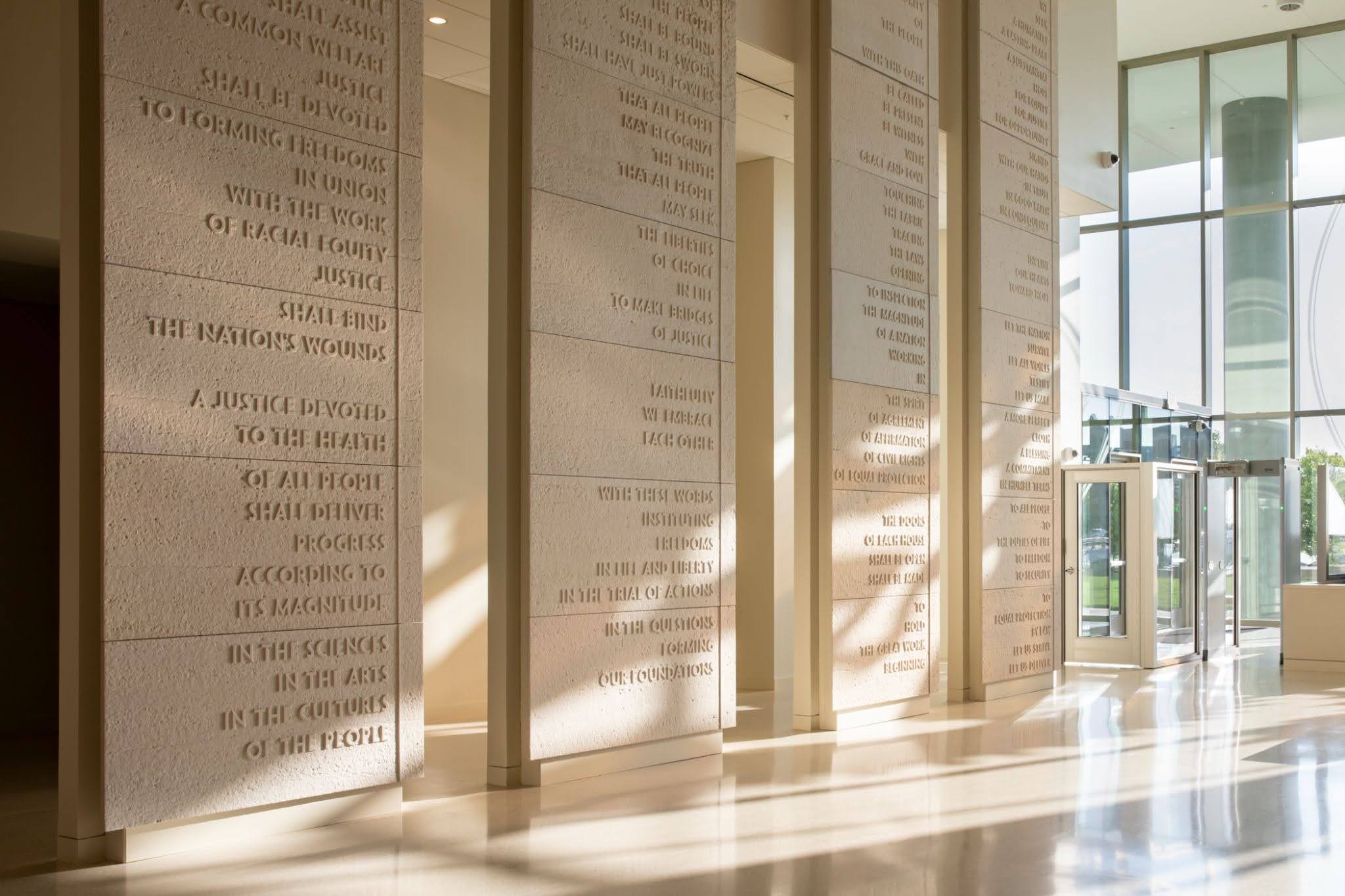
Architectural Detailing for Public Stone Monuments
Detailing is where design intent meets physics. Typical assemblies include load-bearing masonry, stone cladding on concrete or steel backup, and freestanding sculptural blocks. Expansion joints, drip edges, overhangs, and base conditions manage water and prevent staining. Anti-vandal strategies include recessed panels, limited ledges, and easily cleanable finishes at lower levels. Quarra Stone’s detailed shop drawings and 3D modeling coordinate stone geometry with structure, lighting, and drainage-the quality of this process defines the dignity of the finished piece.
Foundations, Anchoring, and Structural Coordination
Engineered foundations must account for soil capacity, frost depth (often exceeding 4 feet in northern climates), and monument weight. Structural anchoring with vertical rebar enhances the stability of stacked stone. Common anchoring methods-kerf anchors, undercut anchors, dowels, stainless-steel framing-are governed by ASTM C1242. Coordination with structural engineers verifies wind loads, seismic loads, and crowd loading. Built-in adjustability accommodates fabrication and installation tolerances.
Inscriptions, Reliefs, and Integrated Artwork
Options for text and imagery span multiple styles. Flat carving is a common technique that produces two-dimensional artwork on stone. V-sunk lettering enhances visibility with a V-shaped profile. Raised lettering creates a three-dimensional effect on headstones. Laser-etched designs allow for highly detailed images on stone, while sandblasting erodes stone to create deep, legible text and shadow in carvings. Precision carving transforms raw stone into artistic forms using specialized craftsmen. Bronze inlays and crosses add decorative richness. Lighting design-grazing or backlighting-can enhance relief depth at night. Font selection and letter height must scale with viewing distance: large carved letters for civic walls, intimate inscriptions for a loved one’s memorial.
From Digital Model to Installed Monument: Quarra Stone’s Process
Complex public installations begin with 3D models shared among architects, engineers, and Quarra’s technical team to refine jointing and stone unit sizes. Detailed shop drawings and piece tickets ensure every stone is uniquely identified. Mock-ups test finishes, joint widths, and inscription legibility under real light conditions. Logistics planning for large urban sites or constrained cemetery landscapes addresses delivery sequencing and protection of completed stonework.
Advanced Fabrication Technologies
Quarra Stone uses CNC saws, 5-axis machining centers, and digital templating to produce complex geometries-curved walls, twisted panels, freeform statues. Advanced stone fitting may use precision techniques like 3D scanning for repairs and verification. Hybrid workflows let machines rough out volume while skilled carvers complete fine detailing-a process that honors both craftsmanship and efficiency. Art & Stone Monument Company, formed in 2019, exemplifies how firms with nearly 100 years of combined experience similarly leverage developing technology alongside hand artistry.
Installation in Active Public and Cemetery Environments
Installing monumental stone in busy city centers or occupied cemeteries requires safety barriers, dust control, and noise management. Crane and rigging considerations for heavy monolithic pieces demand staged installation to keep walkways and adjacent graves accessible. Joint grouting, sealant selection, and final cleaning remove construction residues without damaging finishes. Post-installation inspections with the design team and clients confirm alignment and the intended elegant appearance.
Long-Term Care, Conservation, and Adaptive Reuse
Stone monuments are crafted to last for generations, but planned maintenance is vital. Typical weathering includes surface soiling, biological growth, minor cracking, and metallic staining. Owners should develop maintenance manuals with cleaning intervals, approved products, and inspection checklists. Anti-graffiti treatments, including nanotech-based hydrophobic coatings, help maintain dignity while respecting the stone’s breathability. Adaptive reuse-adding new inscription panels, integrating contemporary lighting-lets existing monuments honor culture and history without erasing heritage character. Memorials provide a lasting tribute to loved ones across the full span of a monument’s life.
Environmental and Sustainability Considerations
Natural stone compares favorably to many cladding materials in life-cycle assessments, given its durability and low operational energy. Specifying stone from quarries with transparent environmental practices and responsible water use enhances respect for both the environment and the communities that stock and supply these materials. Regional stone selection reduces transport emissions. Salvaging stone during renovations for reuse in secondary landscape elements or containers for new memorial features supports sustainability without sacrificing beauty.

FAQ: Monumental Stone Design for Public Spaces
How early should a stone specialist be involved in a public memorial project?
Involve a stone fabricator like Quarra Stone at the schematic design stage, when conceptual massing and materials are first being discussed. Early input helps set realistic panel sizes, joint layouts, and budget ranges, and can prevent costly redesigns. Coordination with engineers at this stage ensures foundations and support structures are optimized for the chosen stone configuration, an attention to detail that pays dividends throughout construction.
What is the typical lifespan of a monumental stone installation in a public space?
Well-detailed granite and dense limestone installations can function for a century or more with routine maintenance. Lifespan depends on climate, pollution, usage intensity, and how well water management and anchoring were designed. Periodic inspections every 2–5 years help catch minor issues before they become structural concerns, keeping the monument’s unique character intact.
Can lighting, audio, or digital media be integrated into stone monuments?
Yes. Integrated lighting (linear LEDs, in-ground uplights) and discreet audio elements can be coordinated with stone cavities, conduits, and access panels. These systems should be planned concurrently with stone shop drawings to avoid ad hoc cutting that might compromise integrity. Design digital elements for future replacement so the stone framework remains permanent even as technology evolves.
How do budget constraints affect stone selection and detailing?
Budget often influences stone origin, thickness, unit size, and complexity more than overall feasibility. Options include simplifying curves into faceted surfaces, standardizing panel sizes, or mixing premium stone at focal points with more economical varieties elsewhere. Early cost studies with Quarra Stone calibrate design ambition to funding realities without sacrificing the monument’s core intent. To agree on priorities early prevents surprises later.
What is the best way to start planning a new stone monument or memorial with Quarra Stone?
Assemble basic information: site location, intended purpose, preliminary sketches or models, target dates, and budget range. Contact Quarra Stone for an initial design and feasibility conversation. Stone options, fabrication methods, and schedule will be discussed. From this point, Quarra can prepare preliminary technical input and budget guidance to support the architect’s or artist’s evolving design. Visit the Quarra Stone website to begin the conversation.
