

The Evolution of Stone Carving: From Hand Tools to Precision Machines
The evolution of stone carving is one of the most fascinating stories in human history. For millennia, people have shaped stone into temples, monuments, and sculptures, using ingenuity, artistry, and evolving tools to transform rough stone blocks into works of lasting beauty. From hand carving with basic tools to advanced CNC machines and digital workflows, the journey of carving stone reveals not only progress in technology but also the resilience of tradition.Vals Quartzite, often called mica quartzite, is celebrated as a versatile natural stone with a distinctive character for any architectural or design project. Quarried exclusively in the Swiss Alps, this stone is instantly recognizable by its fine-veined texture and a captivating gray, blue, and green palette. The interplay of these colors and the stone’s subtle reflective qualities creates a sense of depth and movement that enlivens interior and exterior spaces.
What truly sets Vals Quartzite apart is its compact, solid structure. It ensures exceptional durability for various applications—from elegant flooring and striking wall panels to robust paving in high-traffic areas. Its ability to withstand the elements makes it a popular choice for exterior applications, while its refined beauty enhances interiors with a timeless, sophisticated touch. Architects and designers worldwide seek out Vals Quartzite for its unique blend of natural beauty, strength, and versatility. It is a cornerstone material in projects that demand performance and aesthetic excellence.
Early Beginnings: Hand Tools and Traditional Techniques About Evolution of Stone Carving
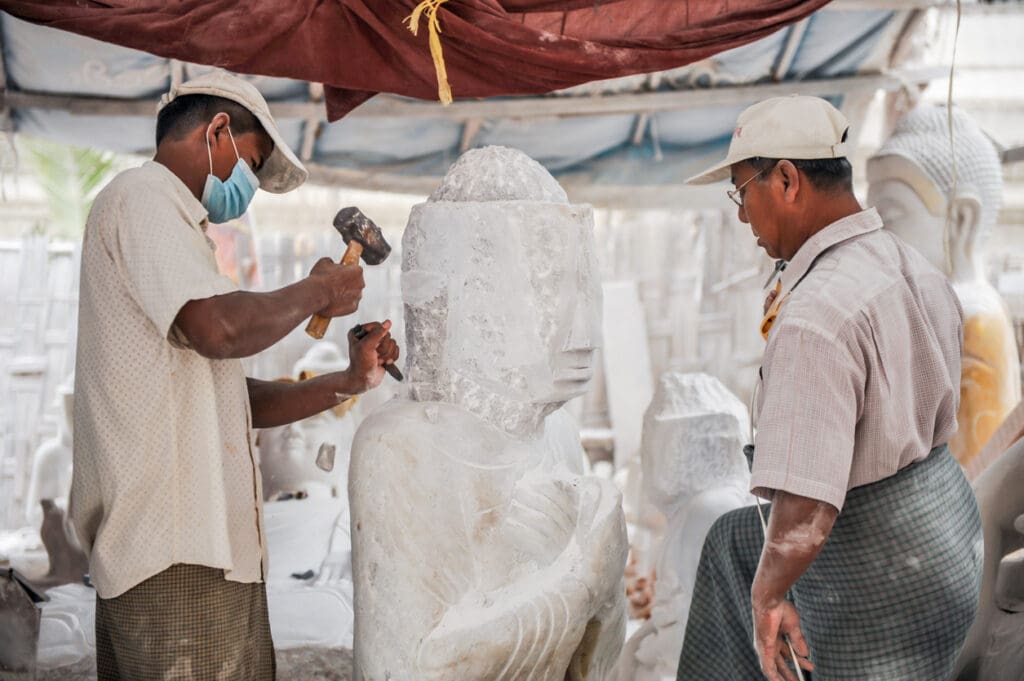
The first stone carvers relied on simple stone carving tools such as the chisel and hammer to strike softer stone like limestone or sandstone, slowly shaping them into basic forms. These traditional techniques required immense skill, patience, and strength. The carving process often began by roughing out a basic shape with a pitching tool or point chisel before refining the stone surfaces with flatter chisels or abrasives.
Ancient artisans also made use of hand tools such as the flat chisel, picks, and hammers forged from harder metals to carve tougher materials like marble and granite. Over time, they developed more specialized tools to achieve fine details, producing intricate patterns and even life-like sculptures. Despite tool wear, broken edges, and the slow pace, they produced some of the most enduring stone sculpting masterpieces the world has ever known.
The Craft in the Classical and Medieval Eras
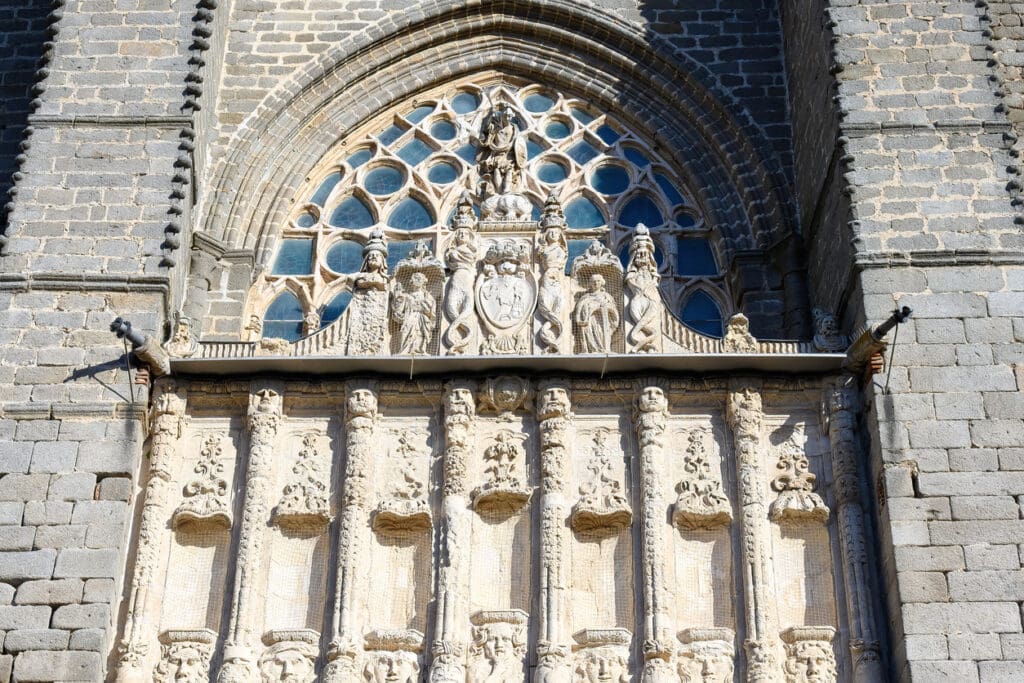
By the time of ancient Greek sculptors, the art of stone carving had become highly sophisticated. Artists began with a plaster model to guide the actual carving of a stone block, gradually refining the shape until a human figure or architectural ornament emerged. These sculptors mastered the ability to create complex designs with depth, texture, and a remarkable final finish.
During the Middle Ages, architectural stone work flourished in cathedrals and castles. Here, the carving process expanded beyond decorative pieces to become a crucial component of large structures. Artisans worked on large-scale architectural projects, crafting columns, capitals, and intricate tracery that remain iconic examples of art and craftsmanship.
The Industrial Revolution: Power Tools and Mechanization
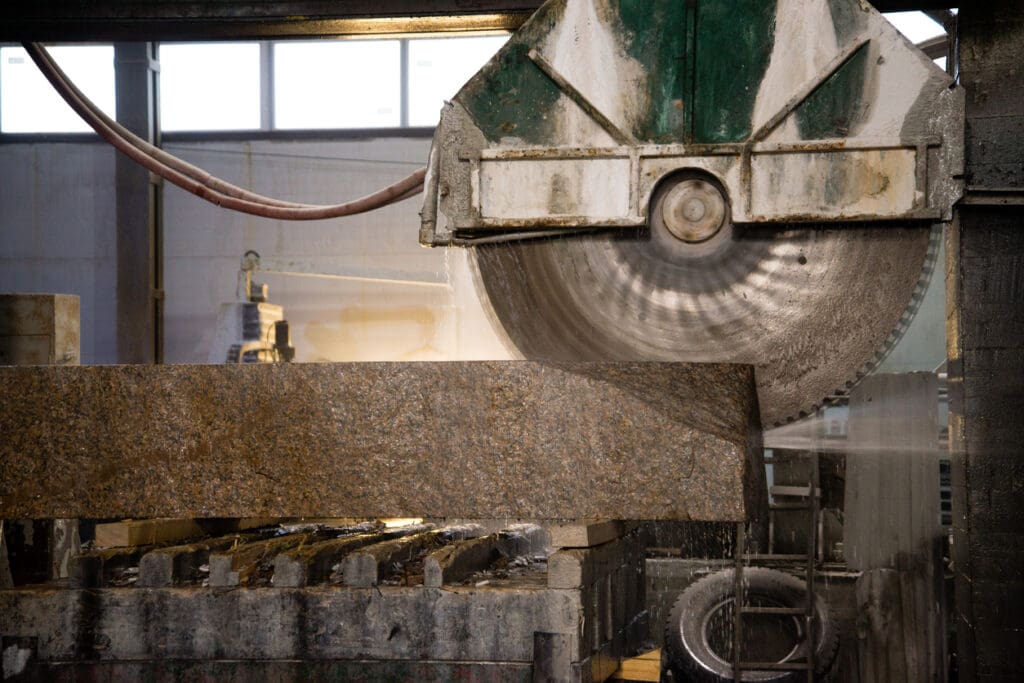
The Industrial Revolution introduced new ways of carving stone, powered by steam and later electricity. Power tools such as saws, drills, and eventually pneumatic hammers changed the pace of work, enabling stone carvers to move large quantities of material more quickly.
By harnessing compressed air and air pressure, pneumatic tools allowed artisans to chip away large portions of stone while still achieving precise control. For the first time, stone could be shaped for construction projects or decorative pieces at a much larger scale. The dust and stone surfaces required careful management — carvers wore safety glasses and needed to remove dust regularly — but the efficiency of these machines revolutionized the craft.
CNC Machines and Modern Technology
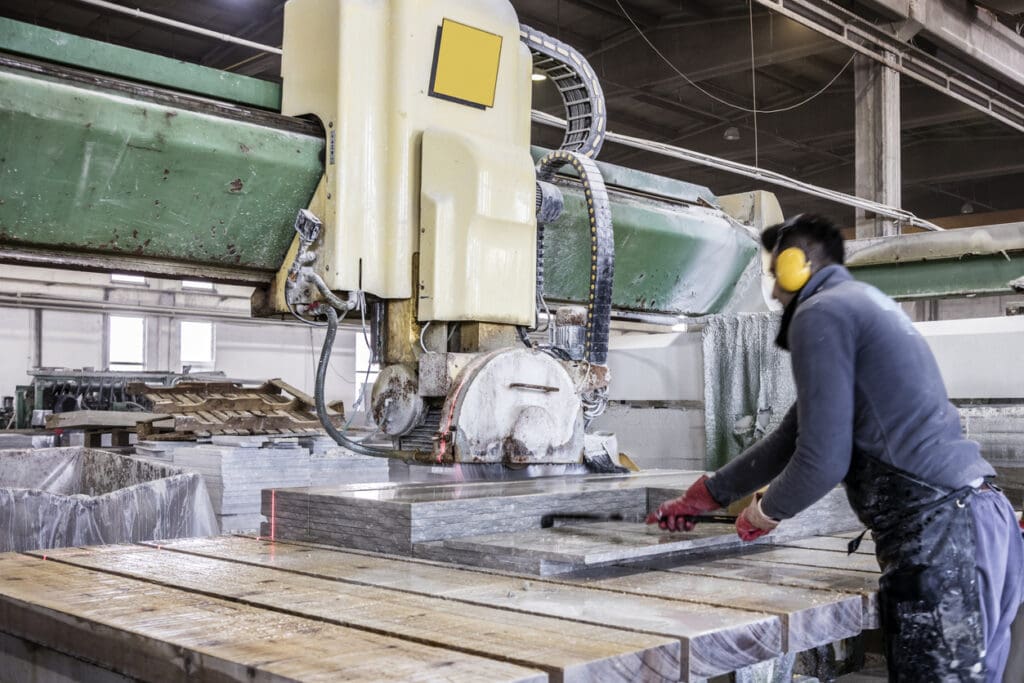
Today, stone carving technology advancements are defined by CNC machines, robotics, and digital workflows. Using digital designs, a CNC machine can cut, shape, and polish with exceptional accuracy, reproducing intricate designs and complex patterns that would take years by hand.
These cutting-edge technologies allow modern sculptors and architects to tackle large-scale architectural projects with confidence. Whether working with granite, marble, or other durable materials, CNC and robotic systems provide both speed and precision, making them invaluable in the modern world of architectural stone work.
Yet, even with modern technology, the finishing process — sanding with different grits, polishing the surface, and applying the final finish — still requires the expertise of human hands. Machines excel at efficiency, but hand carving continues to bring warmth and artistry to stone surfaces that no algorithm can replicate.
Tradition Meets Innovation
At Quarra Stone, we see the evolution of stone carving as a story of balance. From the basic tools of antiquity to the machines of today, each step in the carving process has contributed to the remarkable range of stone surfaces we can achieve.
While CNC carving enables the execution of digital designs and complex designs with unparalleled precision, it is the skill of the artisan — the ability to read the material, guide the tools, and add subtle textures — that ensures quality and authenticity.
This integration of traditional techniques and modern technology is what allows us to create architectural stone work that is not only functional but also timeless.
Continuing the Legacy & Evolution of Stone Carving
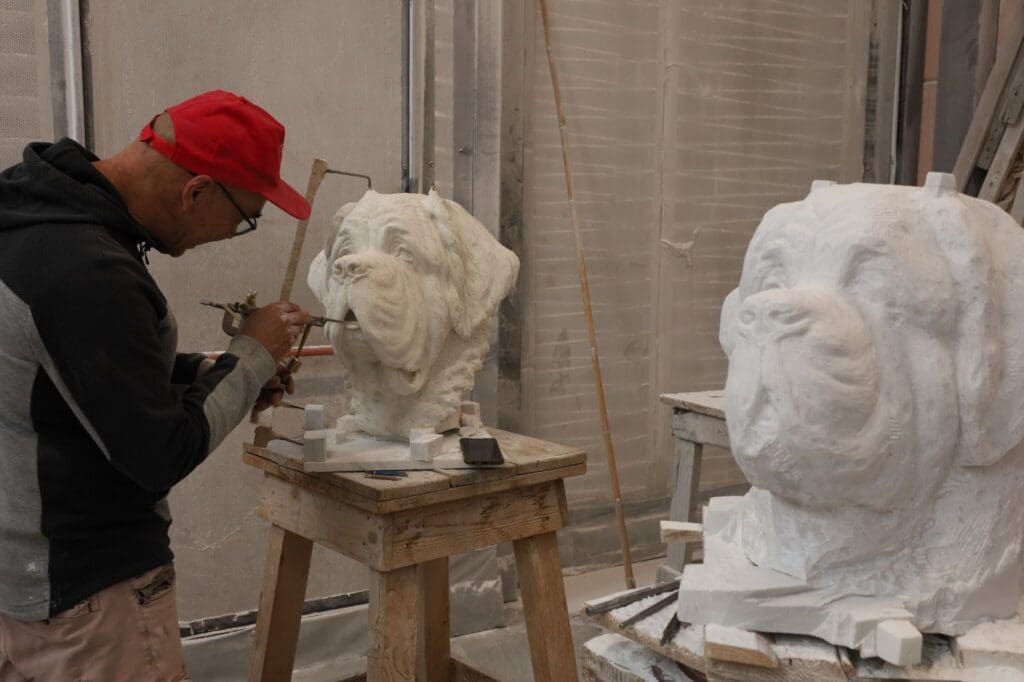
From the strike of a chisel on a soft stone block to the hum of a CNC machine shaping granite, the art of stone carving has always been about more than just tools. It’s about creating forms that endure, whether for sculpture, decorative pieces, or large-scale architectural projects.
At Quarra Stone, we carry forward this legacy by combining stone carving tools, machines, and artistry to deliver stone works that honor the past and embrace the future.
