

From Quarry to Masterpiece: The Marble Sculpture Process
Marble sculptures have captivated audiences for centuries — from ancient Greek and marble statues, renowned for their artistic and historical significance, to contemporary architectural works. At Quarra Stone, we understand that each marble sculpture process is a marriage of artistry, precision, and time-honored craft. Stone sculptors are the skilled artists behind these masterpieces, dedicating their expertise to stone transformation. This journey from raw stone to finished art involves creating sculptures depicting the human form and other figurative works. The tradition of producing figurative works in marble dates back to ancient times, when artists pioneered techniques that continue to inspire today.
In this article, we’ll explain how marble sculptures are made, from the moment the stone leaves the quarry to its final, polished form.
Introduction to Stone Sculpture
Stone sculpture is one of humanity’s oldest and most revered art forms, with marble as a favorite medium for millennia. Creating a marble sculpture is often described as liberating the human form trapped inside a block of marble. This poetic vision has inspired artists from ancient Greek sculptors to today’s contemporary sculptors. While traditional tools like chisels and mallets have shaped masterpieces for centuries, introducing stone carving machines has revolutionized the process, allowing for even greater precision and complexity. Whether using age-old techniques or embracing modern technology, sculptors continue to transform raw stone into breathtaking works of art, each piece a testament to the enduring allure of marble and the creative spirit of those who carve it.
1. Selecting the Perfect Marble Block

The marble sculpture process begins with selecting the right block from the quarry. Quality is everything — the stone must be free from cracks, have consistent veining, and meet the dimensions required for the intended sculpture. This is where experienced stone experts at Quarra Stone excel, sourcing premium marble from the world’s finest quarries, including the renowned Carrara marble from Northern Italy.
Choosing the right marble sets the tone for the entire project, ensuring the final sculpture has the durability, color, and texture needed to achieve the artist’s vision. Marble blocks come in different qualities, with variations in purity, color, and veining that affect their suitability for sculpture. The purity of marble, often determined by its calcium carbonate content, is a key factor in the selection process.
Types of Marble and Materials
The choice of material is crucial in stone sculpture, and not all marbles are created equal. The finest marble, such as the renowned Carrara and Parian marbles, is prized for its purity, smooth texture, and ability to render minute detail. Marble blocks are sourced from quarries worldwide, each offering marbles with distinct colors, veining, and crystalline form. These famous marbles are favored for their visual depth and interaction with light, making them ideal for sculpture. While other stones like limestone and granite are also used in stone sculpture, marble remains preferred for many sculptors seeking a refined finish and intricate detail. Ultimately, the stone selection shapes the finished sculpture’s character and impact.
2. Transporting and Preparing the Stone
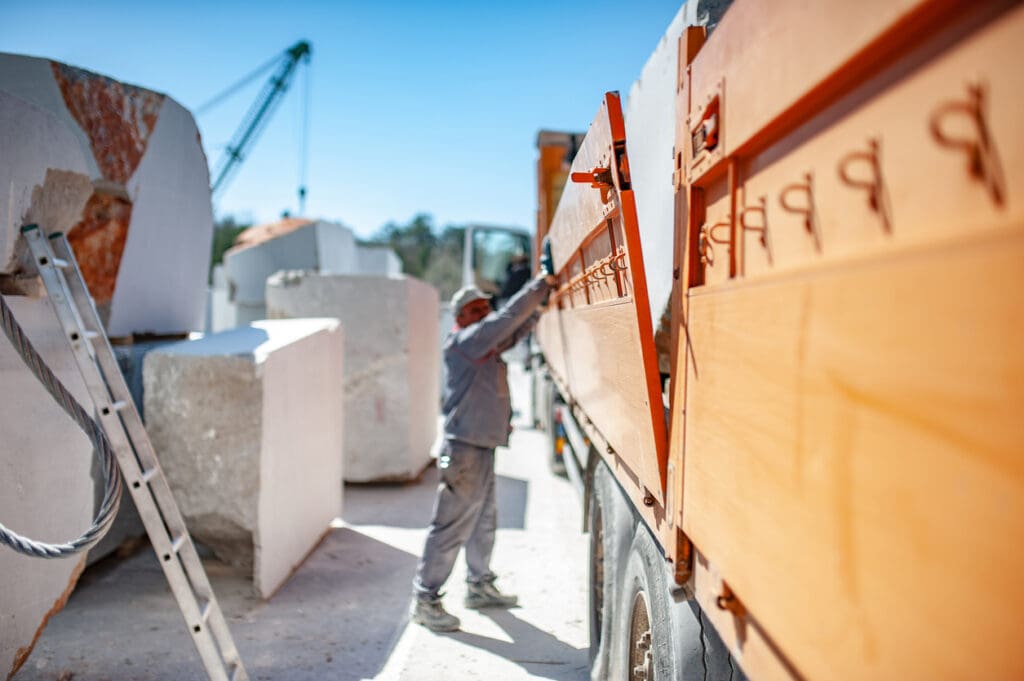
Once the marble block is chosen, it’s carefully extracted and transported to the fabrication workshop. Preparing the block is an essential part of how marble sculptures are made — the stone is cut to manageable sizes, and any surface irregularities are addressed using abrasive rubbing stones to smooth the marble surface and create a clean starting point for the carving process.
During this stage, marble dust is produced as a byproduct and is carefully managed to ensure a clean work environment.
3. The Design and Planning Phase
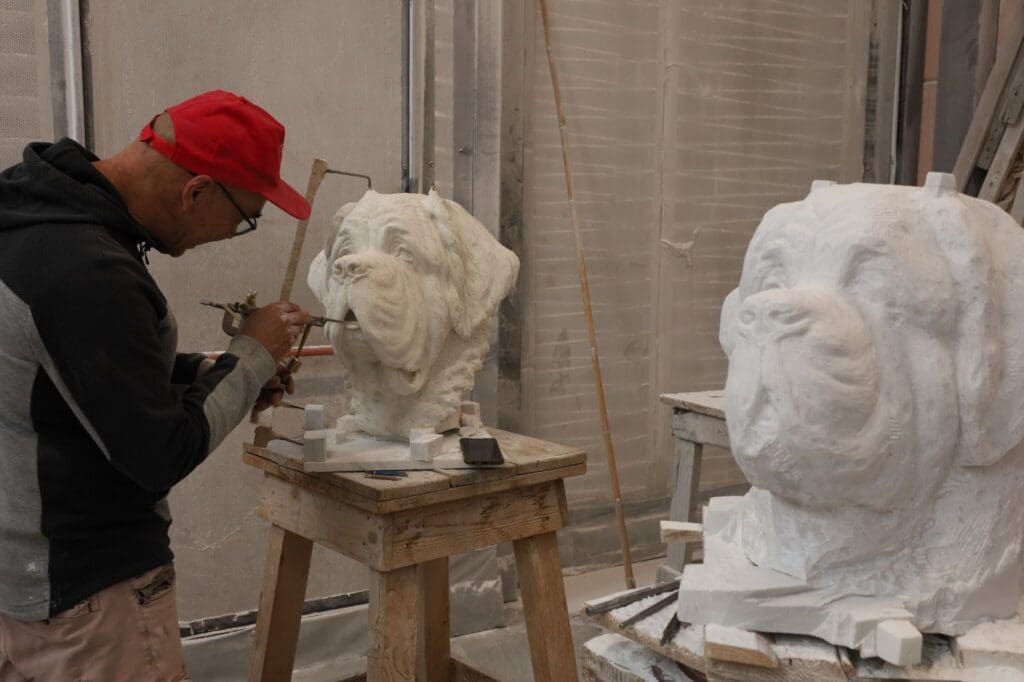
Before the first chisel strikes the stone, a detailed design is created. Artists and fabricators work together to determine proportions, dimensions, and fine details. Depending on the complexity of the project, the design phase may include:
- Hand-drawn sketches for a traditional approach
- 3D modeling for precise visualization
- Scale models or clay maquettes to guide the carving
An art historian may be consulted during this phase to ensure historical accuracy or provide design context.
This phase bridges creative vision with technical execution, a hallmark of Quarra Stone’s stone sculpture process. For more detail, the planning phase directly influences the outcome by shaping the artistic intent and the technical feasibility of the sculpture.
4. Marble Carving Steps
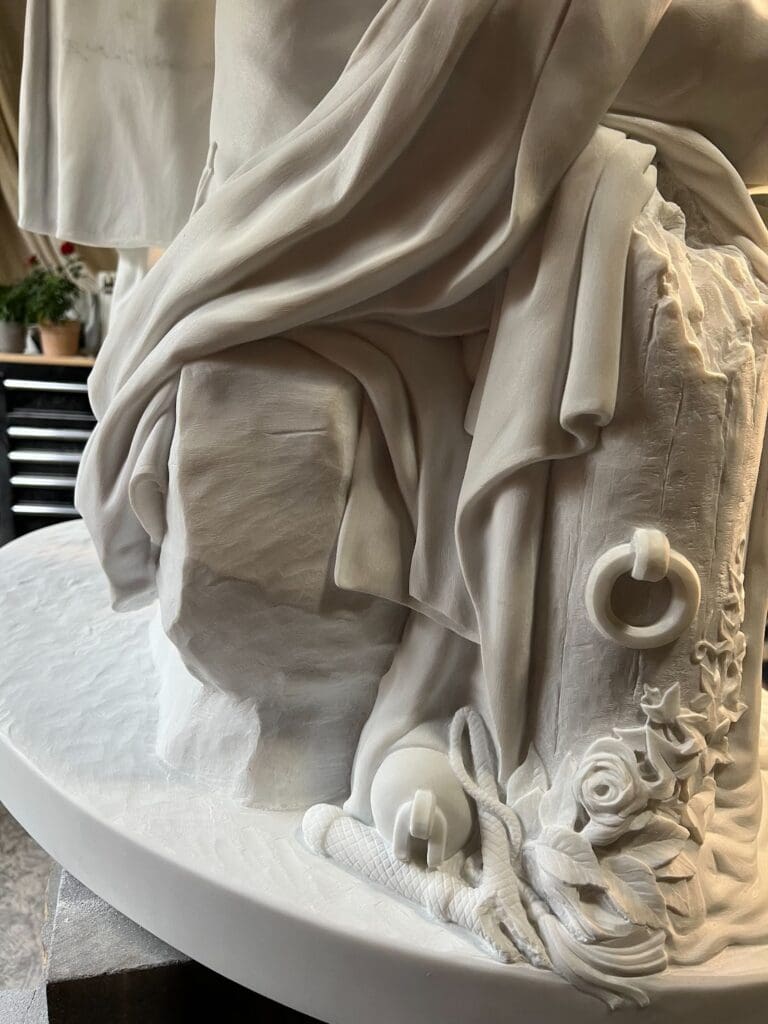
The carving is a physical and artistic endeavor, requiring basic carving tools as essential equipment. The marble carving steps generally include:
- Rough Shaping – Large chunks of stone are removed using a point chisel, point chisels, tooth chisels, pitching tool, or diamond-tipped saw. Ancient Greek sculptors relied on point and tooth chisels as specialized tools for this stage. The actual carving begins here, as the artist transforms the block into a rough shape. These tools are used to outline the basic form, removing material to create the rough shape of the sculpture.
- Refining the Shape – Edge tools and various tools such as claw chisels, rasps, and pneumatic tools bring definition to the figure or architectural detail, further refining the shape.
- Detailing – Fine chisels and abrasives, along with smaller tools, allow for more control and precision in adding intricate textures, lines, and patterns. During this stage, the surface contours are carefully refined.
- Smoothing – The surface is sanded with progressively finer abrasives to achieve the desired finish, from matte to mirror polish. The final carving at this stage is the last opportunity to perfect details.
Modern tools are often used alongside traditional methods to achieve intricate, high-quality results.
Robotic Carving and Modern Techniques
The evolution of stone sculpture has accelerated with the advent of robotic and advanced stone carving machines. These technologies use computer-aided design (CAD) to guide the carving process, enabling contemporary sculptors to achieve levels of precision and complexity that were once unimaginable. Robotic carving allows for the rapid removal of unwanted stone and the creation of intricate patterns. At the same time, sculptors still rely on hand tools and modern power tools—such as angle grinders and pneumatic hammers—to refine the final form and add personal touches. This blend of traditional craftsmanship and cutting-edge technology has expanded the possibilities of stone sculpture, allowing artists to work with a wider variety of stones and to push the boundaries of what can be achieved in marble and beyond.
5. The Final Touches
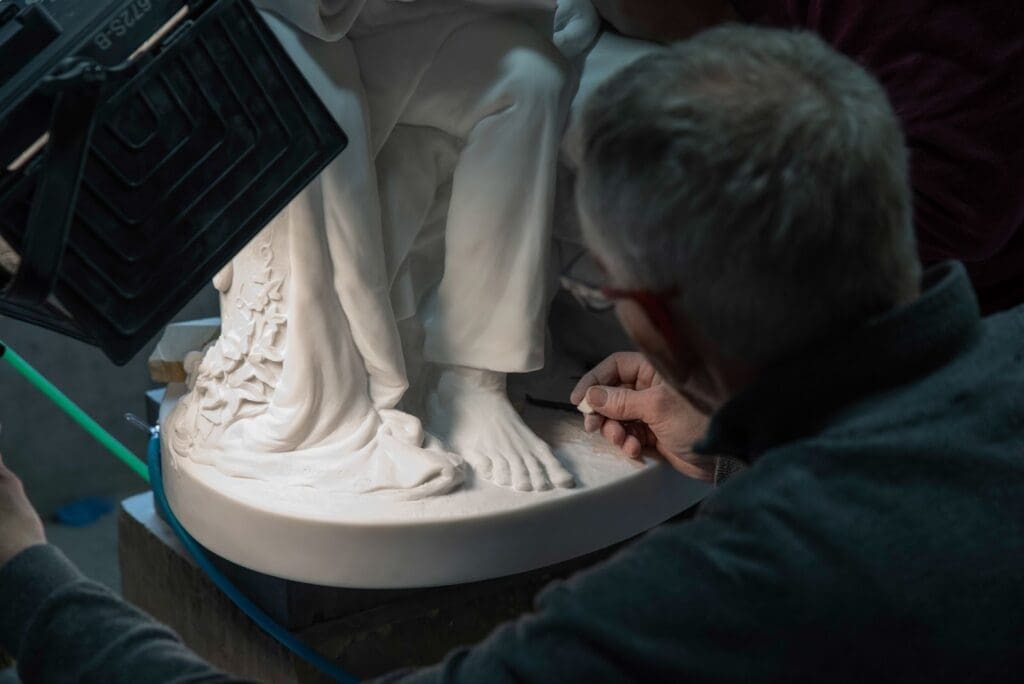
After the carving, the sculpture undergoes its final polishing and sealing. Marbles can absorb skin oils, so careful handling is essential during finishing. This step enhances the marble’s natural color, brings out its unique veining, and protects against weathering. Coloured ones are often chosen for decorative or architectural pieces due to their vibrant appearance. During polishing, the translucency of marble can resemble human skin, enhancing the sculpture’s realism. At Quarra Stone, our artisans ensure that every curve, edge, and surface is perfected before the piece is delivered or installed. Hand carving is often used for the final touches to provide a personal, artistic finish.
Marble Sculptures and Their Significance
Marble sculptures have held a place of honor in art and culture for centuries, from the lifelike statues of ancient Greece to the bold forms of modern art. The transformation of raw material into a finished marble sculpture is a meticulous process that demands both technical mastery and artistic vision. Each sculpture tells a story, whether commemorating a historical figure, capturing the beauty of the human form, or expressing abstract ideas. The enduring appeal of marble lies in its ability to convey emotion, depth, and movement, making it a favored medium for artists seeking to create lasting and meaningful works. Through the ages, marble sculptures have served as symbols of beauty, power, and creativity, inspiring awe in all who encounter them.
Challenges and Rewards of Sculpting
Working with marble presents unique challenges that test the skill and patience of even the most experienced sculptors. The marble surface is sensitive to skin oils, which can lead to yellow or brown stains if not handled carefully. The carving process is physically demanding, often requiring hefty hand tools and modern power tools to shape and refine the stone. Despite these obstacles, the rewards of creating a finished sculpture are immense. With the right tools and techniques, sculptors can achieve a level of detail and expressiveness that few other materials can match. Each finished sculpture is a testament to the meticulous process and dedication required to bring a vision to life in marble, making the journey from raw stone to masterpiece truly worthwhile.
Bringing Stone to Life
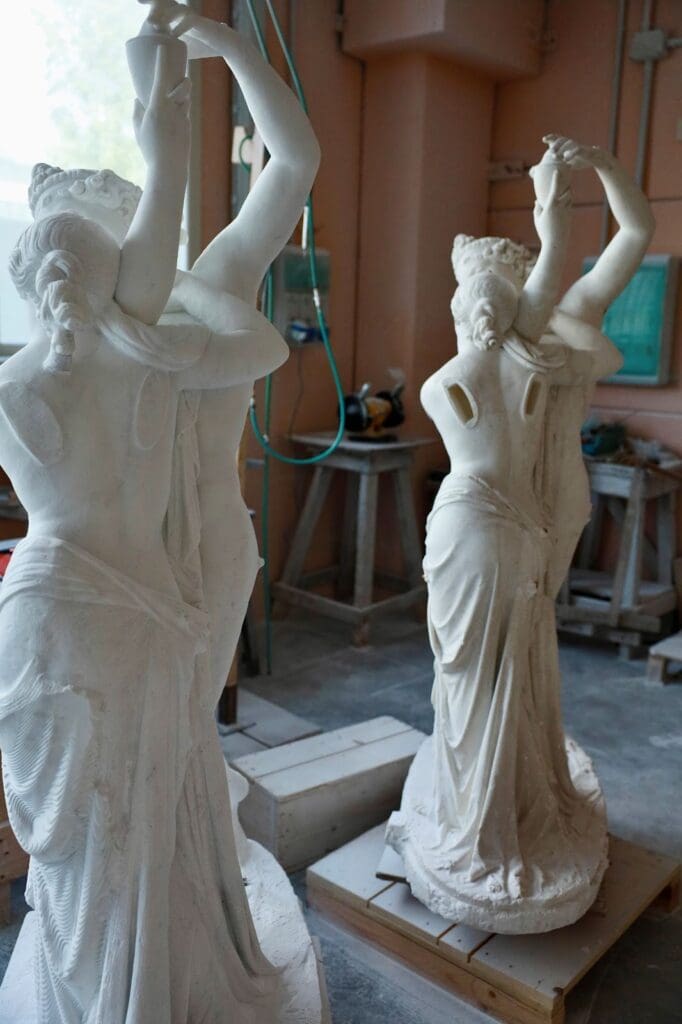
From quarry to sculpture, the process demands precision, creativity, and a deep respect for the material. Each finished work is a testament to the artisan’s skill and the expertise of the stone carver. Using specialized tools and techniques, stone carvers play a crucial role in shaping and finishing marble. Most sculptors today use a combination of traditional hand methods and modern automation to create carved works of art, blending craftsmanship with technology. Structural elements such as a tree stump or a flowing skirt are often incorporated into marble sculptures to support and enhance stability. Marble, a metamorphic rock formed through heat and pressure, makes sculpting marble both challenging and rewarding.
Whether a monumental public installation or a delicate architectural element, Quarra Stone’s dedication to craftsmanship ensures that every marble sculpture process results in a true masterpiece.
Discover how Quarra Stone can bring your vision to life — from sourcing the finest marble to delivering a sculpture that stands as a legacy for generations at their new Sun Prairie, Wisconsin headquarters.
Frequently Asked Questions About the Marble Sculpture Process
Marble Sculpture Process: Why is marble considered the preferred stone for sculpture?
Marble has been prized for centuries because of its purity, fine grain, and ability to capture intricate detail. Its subtle translucency mimics human skin, giving sculptures lifelike depth and softness under light. While other stones like granite and limestone are used, marble remains the favorite for artists seeking a balance of workability, strength, and timeless elegance.
How do sculptors choose the right marble block?
Selecting the right block is critical. Sculptors look for uniform color, consistent veining, and freedom from cracks, inclusions, or hidden flaws that could cause fractures during carving. Different marbles—such as Carrara, Statuario, or Parian—offer distinct textures, tones, and crystalline structures, influencing chisel response, polish quality, and the final piece’s style and durability.
What tools are used in the marble carving process?
Traditional tools include point, tooth, and flat chisels, wooden or metal mallets, rifflers, rasps, and abrasives like sand and emery. Contemporary studios often add pneumatic hammers, diamond-tipped angle grinders and saws, water-cooled drills, and robotic or CNC carving machines guided by 3D scans and CAD. Most projects blend hand craftsmanship for nuance with modern tools for efficiency and precision.
How long does it take to complete a marble sculpture?
Timelines vary with size, complexity, and finishing level. Small decorative pieces may take a few weeks, medium works often require several months, and monumental statues or architectural elements can demand many months to years. The process includes design, maquette or 3D modeling, block selection, roughing out, detailed carving, finishing, and installation—each phase adding significant time.
How are marble sculptures protected once finished?
After carving, sculptures are progressively sanded and polished to refine the surface, then treated with breathable sealers or microcrystalline waxes to enhance color and resist moisture and stains. Because marble is porous and sensitive to oils and acids, careful handling, appropriate indoor placement or sheltered outdoor siting, stable mounting, and periodic maintenance are essential to preserve its beauty for generations.
