

For thousands of years, marble stone carving has stood as one of humanity’s most celebrated art forms. Marble is created through intense heat and pressure deep within the earth, resulting in a metamorphic rock prized for sculpture. From the temples of ancient times to Renaissance masterpieces and contemporary architectural works, marble remains the material of choice for sculptors because of its fine grain, durability, and ability to capture delicate details, as well as its natural colour variations and veining that contribute to its unique appeal.
The marble carving process blends artistry, patience, and technical skill. Whether done through hand carving or aided by modern power tools, it transforms raw marble blocks into statues, reliefs, and decorative works that embody both strength and beauty. The careful selection of marble involves choosing materials based on their quality, colour, and suitability for the intended sculpture.
Introduction to Marble Art
Marble art stands as one of the most revered forms of artistic expression, celebrated for its elegance and enduring beauty. The journey from raw marble blocks to breathtaking marble sculptures is a testament to the skill and vision of the marble sculptor. Each piece begins with the careful selection of marble, often quarried from renowned regions such as northern Italy, where the stone’s fine grain and quality are highly prized.
The carving process is both an art and a science, requiring a deep understanding of the material’s unique properties. Sculptors use a variety of tools—point chisels for roughing out the initial shape, hand drills for creating depth and detail, and abrasive rubbing stones to smooth and refine the surface. Every stage, from shaping the basic form to perfecting the smallest details, demands patience and precision.
Marble carving is not just about technique; it is about bringing stone to life. The transformation of a solid block into a dynamic sculpture involves creativity, technical mastery, and a profound respect for the material. Whether creating monumental statues or intricate decorative pieces, artists continue to push the boundaries of what can be achieved with marble, ensuring that this ancient art form remains vibrant and relevant today.
History and Cultural Significance
The history of marble carving stretches back thousands of years, with its roots deeply embedded in the artistic traditions of ancient civilizations. In ancient Greece and Rome, marble sculpture was used to honor gods, commemorate leaders, and decorate temples, setting a standard for beauty and craftsmanship that still inspires artists today. The Renaissance period saw a revival of marble art, with masters like Michelangelo and Donatello elevating the medium to new heights, creating iconic statues that continue to captivate audiences around the world.
Marble’s cultural significance extends beyond its visual appeal. As a material, marble has been chosen for its symbolic qualities—its purity, strength, and ability to capture light and shadow. Throughout history, marble sculptures have served as powerful expressions of religious devotion, political authority, and human creativity. The use of marble in architectural details, public monuments, and private collections reflects its enduring status as a symbol of refinement and prestige.
Over the centuries, the techniques and tools used in marble carving have evolved, but the essence of the craft remains unchanged. Today, marble sculptors draw on both traditional methods and modern innovations, continuing a legacy that connects the present with the artistry of the past. The cultural impact of marble carving is visible in museums, city squares, and historic sites around the globe, where these timeless works continue to inspire awe and admiration.
The Carving Process: From Block to Sculpture
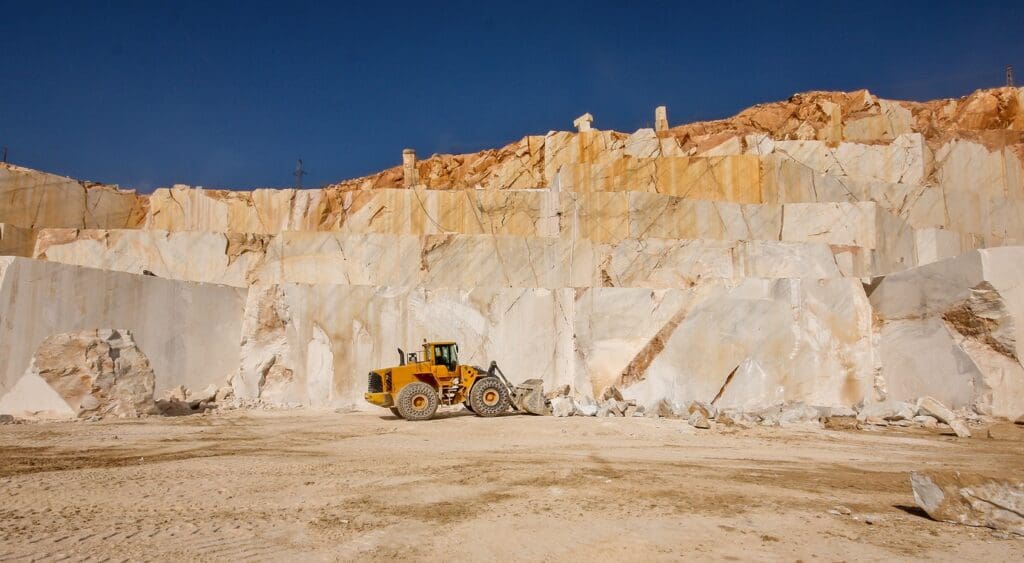
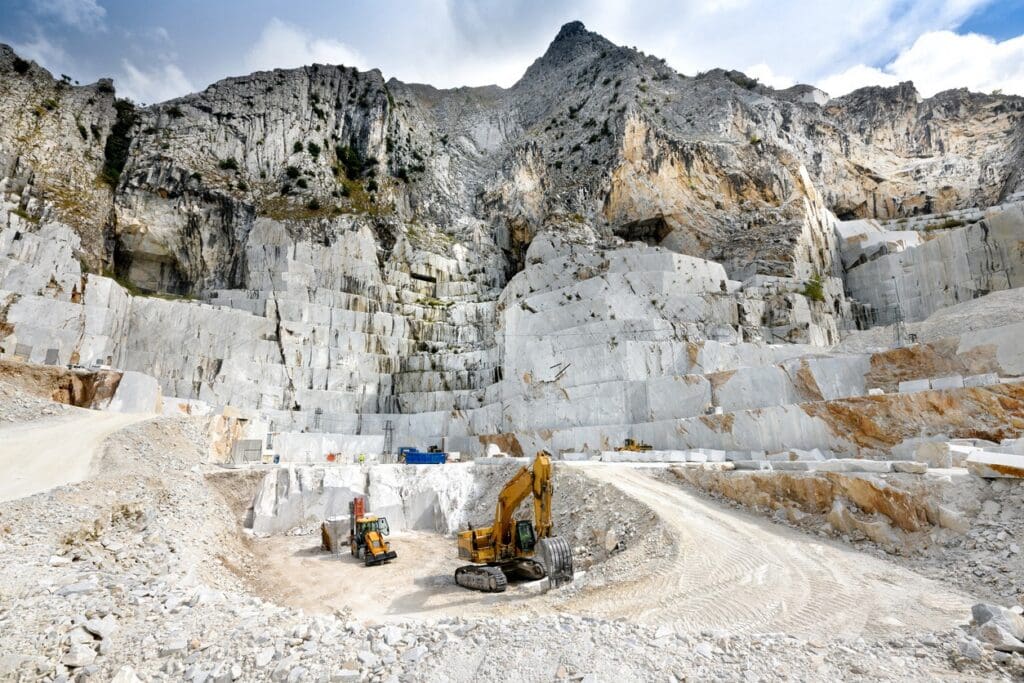
The journey begins at the quarries, where marble—a metamorphic rock composed mostly of calcium carbonate—is carefully quarried into blocks. The quality of the quarry directly influences the characteristics and final quality of the marble. These blocks are delivered to workshops where a stone carver or marble sculptor begins shaping the material into a desired form. The hardness of the marble is an important factor, as it affects both the workability and durability of the finished piece.
Basically, traditional marble carving relies on a set of fundamental tools and techniques. Traditional chisels, mallets, hammers, and the point chisel are still essential to the sculpting process. Round chisels are also used for specific sculpting tasks. Early stages involve striking the block with a hefty chisel or pitching tool to rough out the shape. Each blow from the mallet or hammer shapes the marble with precision and control. Sometimes, clay is used to create full-size molds before carving begins, ensuring accuracy in the final sculpture. As the work progresses, the artist’s design is carefully carried out on the marble block through precise measurement and marking. Finer chisels, hand drills, and abrasives are used to refine surface details. It is important to measure and ensure accuracy at each stage, and dimensions and depth are carefully measured throughout the process. Managing hollow areas in the marble is crucial, as too much pressure in these sections can cause breakage.
Finishing often involves abrasive rubbing stones, sandpaper, or other materials, creating textures that range from silky smooth to intentionally rough. Dust is generated during finishing and must be managed for quality control and to maintain the integrity of the marble. The final stage is polishing, which enhances the natural glow of the stone and reveals its different qualities, from crisp whites to coloured ones. Small holes or fissures can be filled with a mixture of marble dust and epoxy to improve the surface. Epoxy is used to fill imperfections and enhance the marble’s appearance. During inspection, it is important to look for holes—some are natural features, while others may indicate lower quality.
Hand Carving vs. Modern Tools
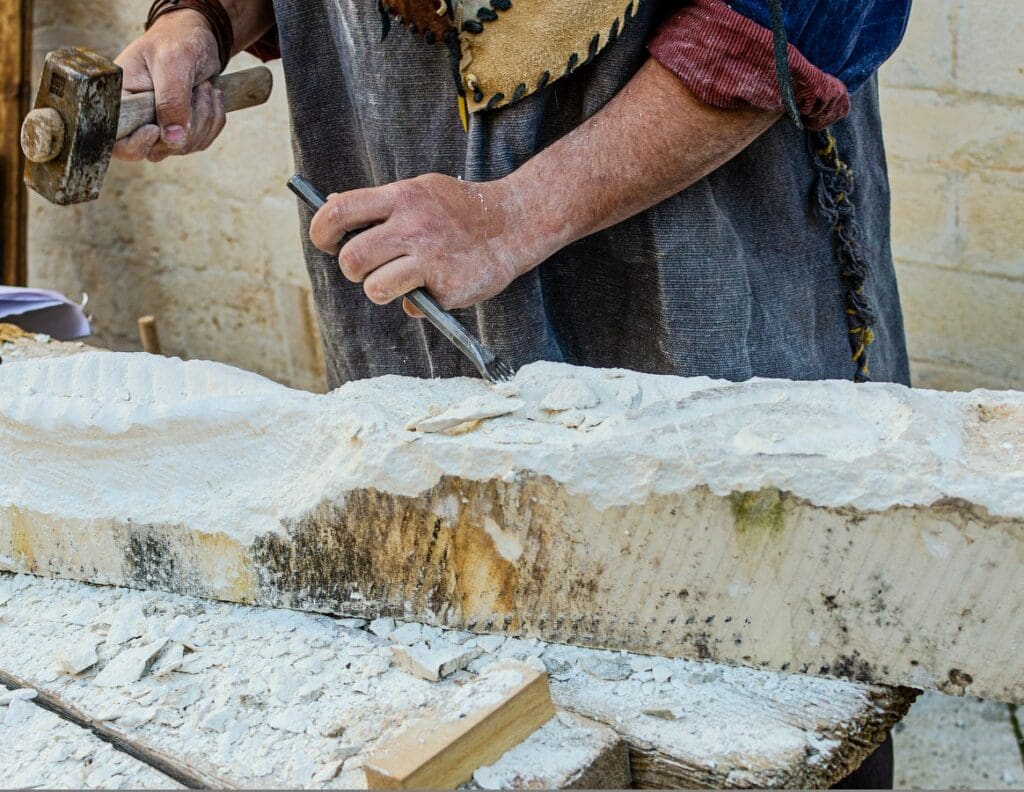
Although modern sculptors may use angle grinders, pneumatic drills, or even CNC technology, traditional hand carving remains the heart of authentic marble work. For example, the use of a point chisel and mallet allows artisans to create intricate undercuts and delicate textures that are difficult to replicate with power tools. Using only a hammer and chisels, skilled sculptors can carve with such precision that folds of drapery or even the softness of human skin seem to emerge from this hard material.
The marble carving tradition thrives in regions like Northern Italy, where artisans pass down centuries of knowledge. Here, the blend of tradition and innovation ensures that both large-scale statues and small decorative pieces achieve a balance of durability and artistry.
Tools of the Trade
Every stone carver relies on a wide range of tools:
- Point chisel – for roughing out large areas.
- Claw chisel – to add texture and refine form.
- Flat chisels and mallets – for details and finishing.
- Abrasive rubbing stones, sandpaper, and powders – for smoothing and finishing the surface.
- Compass and measuring tools – to ensure correct dimensions and depth in the figure.
The progression from rough cutting to fine polishing ensures that each statue or sculpture is not only structurally sound but also visually captivating.
Marble Sculpture: Art That Lasts
A finished marble sculpture is more than an object—it is a reflection of cultural heritage, technical mastery, and artistic vision. From lifelike figures to ornate architectural details, marble has the ability to create works that stand the test of time.
Even when compared with other stones like limestone or granite, marble’s soft yet durable structure makes it especially suitable for carving marble into lifelike statues and sculptures.
The Enduring Appeal of Marble Carving
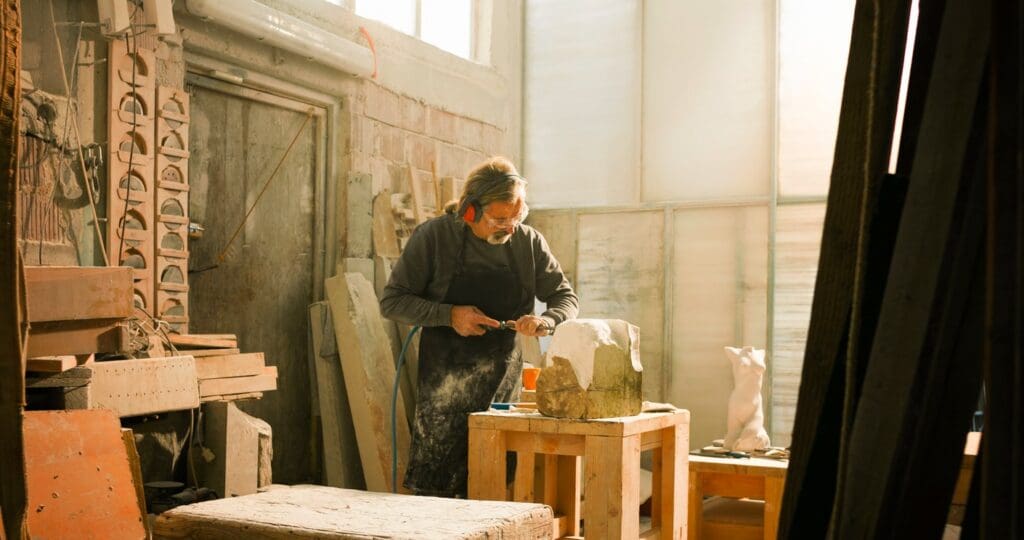
The tradition of marble stone carving continues because it combines durability with unmatched aesthetic appeal. Whether shaped by a modern marble sculptor using power tools or by a traditional artisan with hammer and chisels, each piece highlights the stone’s natural beauty.
From the quarry to the workshop, the carving process demands skill, patience, and vision. And while methods evolve, the art of marble carving will always remain a cornerstone of human creativity.
Conclusion and Resources
Marble stone carving is more than a craft—it is a living tradition that bridges history, culture, and artistic innovation. The transformation of marble blocks into expressive sculptures showcases the remarkable skill and dedication of the marble sculptor, as well as the enduring allure of this hard material. Whether admired in ancient temples, Renaissance masterpieces, or contemporary art installations, marble sculptures remain a testament to human creativity and the timeless beauty of stone.
For those interested in exploring marble carving further, there are many resources available. Museums such as the Louvre, the Uffizi Gallery, and the Vatican Museums house some of the world’s most famous marble sculptures. Books on marble art, online tutorials, and workshops offer insights into the carving process, tools, and techniques. Whether you are an aspiring stone carver or an art enthusiast, delving into the world of marble carving is a rewarding journey into one of humanity’s most enduring art forms.
FAQs
1. Why is marble considered the best stone for carving?
Marble’s fine grain, relative softness compared to granite, and ability to hold detail make it ideal for carving. It also has natural veining and color variation that add depth and beauty to finished sculptures.
2. What tools are traditionally used in marble carving?
Traditional tools include point chisels for rough shaping, claw chisels for texture, flat chisels and mallets for refining details, and abrasive stones or powders for smoothing and polishing. These tools allow sculptors to move from rough form to lifelike precision.
3. How has marble carving changed with modern technology?
While hand carving remains central to authentic marble art, many sculptors today also use modern tools such as pneumatic drills, angle grinders, and CNC machines. These speed up rough shaping, but fine detail work is still often done by hand to achieve lifelike texture and artistry.
4. What makes marble sculptures so long-lasting?
Marble is durable yet workable. With proper finishing and care, it resists weathering and can last for centuries. That’s why ancient Greek and Roman sculptures, as well as Renaissance masterpieces, still survive today with much of their detail intact.
5. Where can I see famous examples of marble carving?
World-renowned marble sculptures can be found in museums and cultural sites across the globe, such as Michelangelo’s David in Florence, the Parthenon marbles in Athens, and the Vatican’s vast collection of classical statues. These works showcase the timeless beauty and skill of marble carving.
