

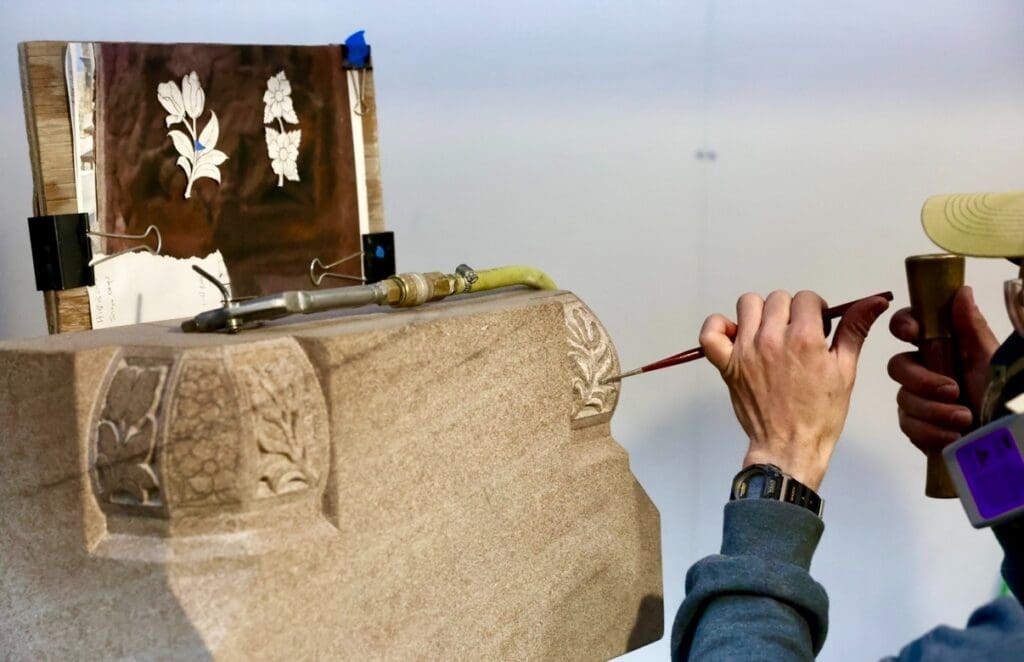
When it comes to architecture and design, few materials rival the timeless natural stone. From ancient temples to modern plazas, the way a stone surface is treated defines not only its aesthetic appeal but also its functionality. Different stone finishing techniques can highlight the stone’s natural beauty, enhance durability, and create a desired texture that suits both interior and exterior applications.
Natural stone finishes come in a wide variety, each offering distinct textures and appearances. Choosing the right finish is important for achieving the desired look and ensuring the stone’s durability and design coherence.
Among the many traditional stone surface finishes, three methods stand out for their enduring relevance: bush hammering, pointing, and chiseling. Each embodies centuries of stone artisan craftsmanship, transforming raw blocks into surfaces that showcase the stone’s texture, natural character, and unique qualities.
The Art of the Bush Hammered Finish
The bush hammering process involves striking stone with a mechanical hammer or hand tool fitted with diamond disc teeth. A bush hammer is a specialized masonry tool used to create a distinctive textured, non-slip surface by producing uniform craters on natural stone. This creates a rough texture or rugged surface that is both visually striking and highly practical.
A bush-hammered finish provides excellent slip resistance, making it ideal for high-traffic areas, pool decks, and steps where a non-slip surface is critical. The resulting slightly rough, uneven surface retains the stone’s natural look while enhancing its slip-resistant properties. This texture is often used in relief carving as a means of adding character to the background areas of the carving.
Pointing and Stone Carving Detail Work
Pointing is an ancient practice used to refine stone carving detail work. It emphasizes the stone’s texture while ensuring long-term stability. Traditionally, artisans performed pointing by hand, carefully shaping the stone surface to bring out its unique texture and protect its natural stone finish.
Today, while modern tools assist with efficiency, the technique remains a symbol of stone artisan craftsmanship. Pointing preserves the stone’s natural colors and enhances the natural beauty of walls, columns, and ornamental features. It allows builders and designers to control both function and visual appeal, ensuring that the stone’s appearance reflects a balance between strength and artistry.
Chiseling at Scale
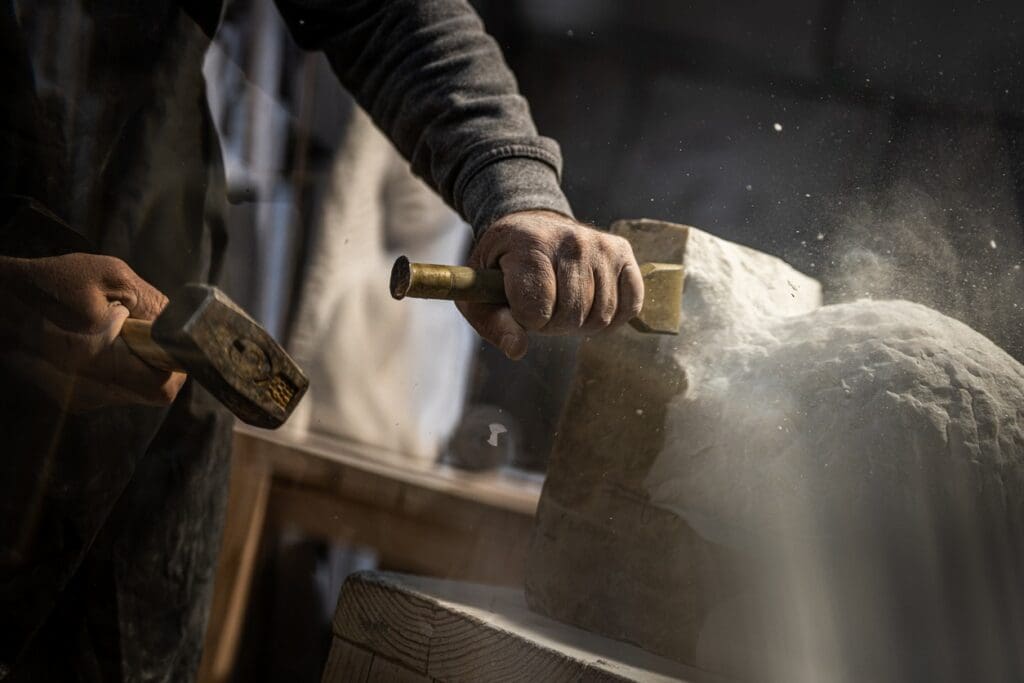
Chiseling is perhaps the most iconic of all stone surface treatments. For thousands of years, chisels have shaped types of natural stone into smooth blocks, detailed sculptures, or rustic texture finishes. The result can range from a smooth surface with a matte surface or honed finish to a deeply irregular surface that exudes rustic charm and a worn appearance.
On a large scale, chiseling produces dramatic stone finish variations, from tumbled stones with a tumbled finish, antiqued finish, or antique finish, to polished stones with a glossy finish or reflective surface. For interiors, techniques such as leathered finishes, honed stone finish, or polished stone finish enhance countertops, flooring, or bathroom countertops, offering a balance of aesthetic appeal, slip-resistant properties, and minimal porosity.
Comparing Stone Surfaces: From Rustic to Refined
The beauty of stone surface treatments lies in their versatility. A polished finish creates a glossy appearance and refined look, while a honed stone or matte appearance delivers a softer, velvety texture. For outdoor paving or high-foot-traffic areas, finishes like flamed stone finish, tumbled stone finish, or sandblasted stone add safety with slip-resistant properties. A flamed stone finish is achieved by exposing the surface to a high-temperature flame, which creates a rough, slip-resistant texture ideal for outdoor use.
Different finishing techniques can dramatically alter the stone’s appearance, including its color, uniformity, and overall aesthetic appeal. Whether the goal is to highlight a stone’s natural character, showcase a stone’s texture, or achieve a sleek, modern, polished surface, traditional and modern stone finishing techniques ensure that stone can adapt to any setting.
Maintenance and Durability
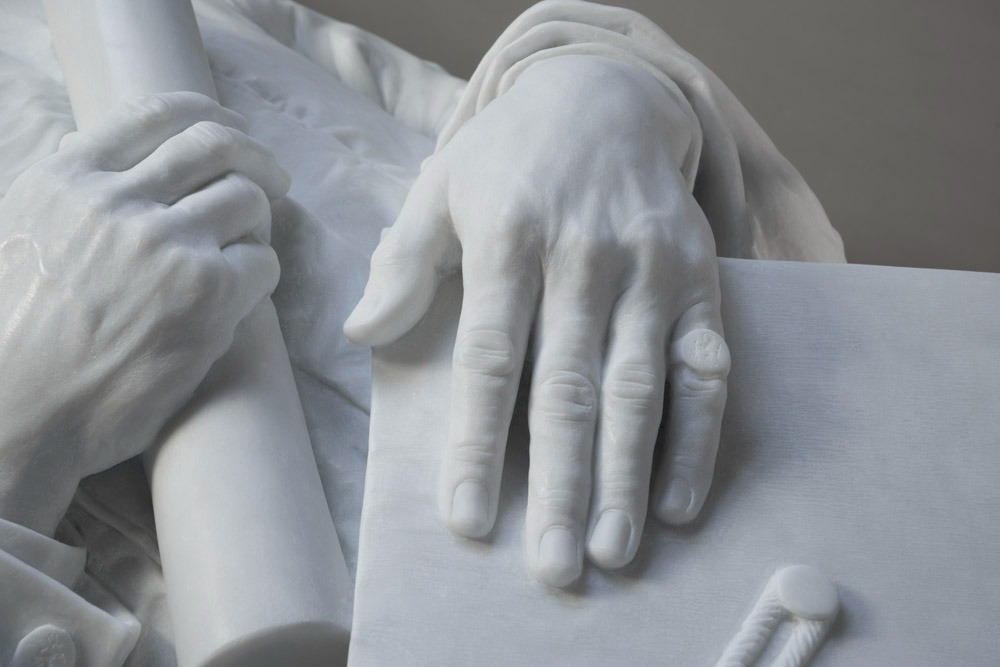
When investing in natural stone surfaces, understanding maintenance and durability is just as important as selecting the right stone finish. The longevity and appearance of stone surfaces are directly influenced by both the type of natural stone and the finish applied, making it essential to match the finish to the intended use and environment.
Each stone finish brings its own set of maintenance requirements. For example, a polished finish delivers a stunning, glossy surface that highlights the stone’s natural colors and reflective qualities. However, polished stone surfaces can be more susceptible to scratches and etching, especially in high-traffic areas or on bathroom countertops. Regular cleaning with a mild detergent and a soft cloth is recommended, and abrasive cleaners should be avoided to preserve the polished stone finish.
A honed finish, with its matte appearance and velvety texture, offers a more understated look and is less likely to show scratches or etching. Honed stone surfaces are ideal for spaces where a softer, more natural aesthetic is desired, and they generally require less intensive maintenance than polished surfaces. Cleaning with gentle products and avoiding excessive water will help maintain the integrity of the honed finish.
For those seeking maximum durability, finishes like flamed stone finish or bush-hammered are excellent choices. The flamed stone finish, created by exposing the stone slab to intense heat, results in a tough, slip-resistant, and textured surface that stands up well to heavy foot traffic and outdoor conditions. Similarly, a bush-hammered finish provides a rugged, non-slip surface that is perfect for outdoor paving, pool decks, and other high-traffic areas. These textured surfaces can be cleaned with a soft-bristled brush and mild cleaner, ensuring dirt and debris are removed without damaging the stone.
Tumbled stone finishes and leathered stone finishes offer unique textures and a rustic appearance, but their slightly rough or worn surfaces may require more attention to prevent dirt buildup. Leathered stone, in particular, is valued for its ability to hide fingerprints, water spots, and smudges, making it a practical option for busy kitchens or entryways.
The type of natural stone also plays a significant role in durability. Granite, for example, is renowned for its resilience and ability to withstand harsh weather and heavy use, while softer stones like limestone may require more careful maintenance and protection.
Honoring the Craft of Natural Stone
From the tumbling process that softens edges to the polishing process that brings out the stone’s natural colors, finishing methods define how stone is experienced. Techniques such as bush hammering, pointing, and chiseling prove that even in an era of advanced machinery, hand-finishing stone remains essential to preserving the natural beauty and timeless appeal of stone.
Every surface finish—whether a flamed finish, sawn finish, or leathered finish—offers a story of both durability and design. By combining traditional stone surface finishes with modern methods, we not only enhance stone’s appearance but also carry forward the legacy of stone artisan craftsmanship that has shaped architecture for millennia.
FAQs
1. What is the purpose of stone finishing techniques?
Stone finishing defines both the appearance and performance of natural stone. Techniques such as bush hammering, pointing, and chiseling bring out unique textures, improve slip resistance, and highlight the stone’s natural color and character—ensuring the surface fits the intended design and functional needs.
2. What is a bush-hammered finish used for?
Bush hammering creates a rugged, cratered texture that provides excellent slip resistance. It’s ideal for high-traffic and outdoor areas such as plazas, pool decks, walkways, and steps where safety and durability are critical, while still maintaining a natural, rustic look.
3. How does pointing enhance stonework?
Pointing is a traditional technique used to refine joints and detail work in stone surfaces. It emphasizes texture, enhances visual appeal, and contributes to long-term stability in walls, columns, and ornamental features—preserving both function and artistry.
4. Why is chiseling still important at scale today?
Chiseling has been used for thousands of years and remains one of the most versatile methods. It can produce finishes ranging from smooth, honed surfaces to deeply textured, rustic looks. At scale, chiseling creates dramatic visual variation, making it suitable for both monumental architecture and refined interiors.
5. Which finishes are best for durability and low maintenance?
For maximum durability, flamed and bush-hammered finishes excel in outdoor and high-use environments because of their textured, slip-resistant properties. For lower-maintenance interiors, a honed finish is more forgiving against scratches, while leathered finishes help hide fingerprints and smudges in kitchens and entryways.
