

In today’s built environment, successful stone projects are defined by more than design alone. They rely on architect and stone fabricator collaboration that aligns vision, material expertise, and execution. As architectural stone applications grow in scale and complexity, collaboration becomes essential—not optional—for achieving durable, high-quality results.
The unique physical characteristics of stone complicate project execution and make risk prediction challenging. To ensure success, teams must manage multiple areas and aspects of design, fabrication, and installation, coordinating efforts across all relevant domains.
From concept through installation, collaboration ensures that stone design moves smoothly from idea to built reality.
Why Architect and Stone Fabricator Collaboration Is Essential
Effective architect and stone fabricator collaboration allows teams to address the unique challenges of working with stone early in the project lifecycle. Architects define the design direction and performance requirements, while fabricators contribute material knowledge, fabrication insight, and practical solutions.
When collaboration is prioritized:
- Design intent is preserved
- Risks are identified early
- Cost and schedule impacts are minimized
- Quality outcomes are improved
Constant communication and shared problem-solving are important for catching potential defects early, minimizing surprises, rework, and project delays. Effective collaboration also contributes to durable, harmonious spaces that meet client expectations more effectively.
This collaboration is vital for stone projects where material behavior, tolerances, and finishes matter at every stage. It is also important to have a structured plan for managing scope, schedule, and cost to ensure project success.
Collaboration Across the Project Lifecycle
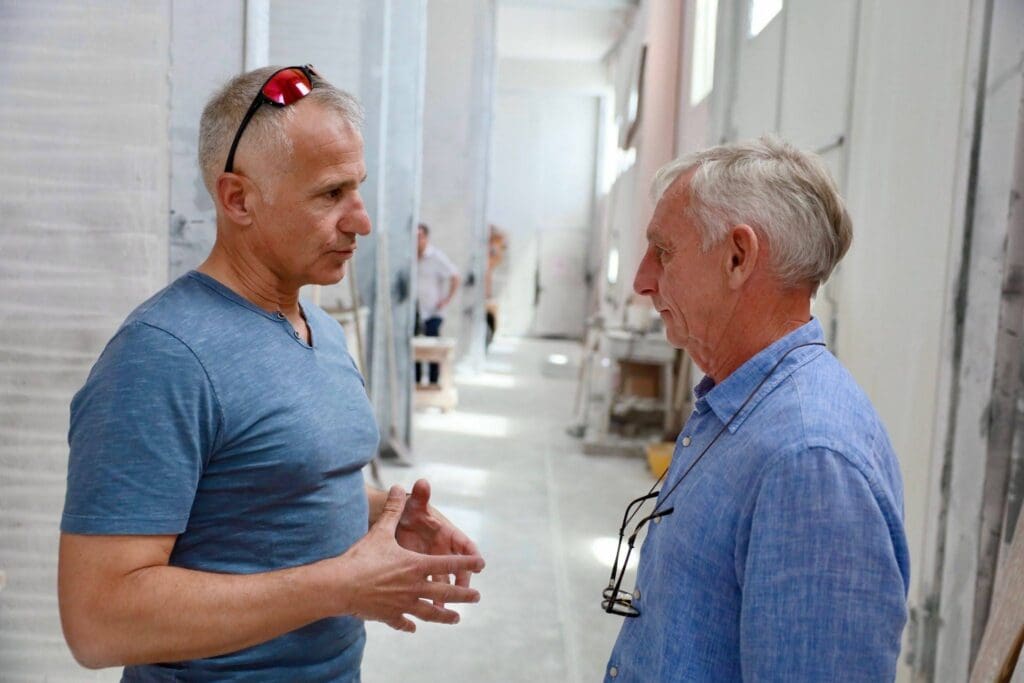
Every successful project depends on strong collaboration across phases. From planning through final finish, coordinated teams help ensure smooth execution.
Key project management considerations include:
- Aligning schedules across multiple projects
- Coordinating fabrication processes
- Managing resources and systems efficiently
- Supporting contractors during installation
Tasks should be organized into specific groups depending on project type and complexity to optimize execution and collaboration. Following a structured course of action is essential to ensure efficient workflow and project success.
Experienced project managers play a central role, guiding teams through complex workflows while maintaining direction and accountability. Professional project management ensures all stakeholders in stone projects communicate effectively.
The Role of Project Managers and Design Engineers
Project managers and design engineers are essential to collaboration. They bridge the gap between architectural design and fabrication reality, ensuring that plans translate into buildable solutions.
Their responsibilities include:
- Managing fabrication procedures
- Overseeing stone selection process decisions
- Coordinating team communication
- Minimizing risks related to complexity and execution
With extensive experience, these professionals help teams achieve superior products while maintaining efficient production and consistent quality.
Fabrication as a Collaborative Process
Stone fabrication is not a single step—it’s a series of interconnected processes requiring coordination, innovation, and precision. Close collaboration between architects and fabricators ensures fabrication aligns with the overall project vision, and that every stage of the work is actively managed for optimal results. Taking action to address process variances and uphold quality and safety standards is essential to maintaining efficient production and a safe workplace.
Through collaboration, teams can:
- Adapt fabrication methods to design changes
- Improve material utilization
- Advance fabrication systems and workflows
- Maintain consistent finish quality
Joint technical workshops allow architects and fabricators to align on the latest cutting-edge fabrication and installation methods, further strengthening their collaborative efforts.
This approach allows fabricators to lead solutions rather than simply respond to challenges.
Efficient Production Techniques in Stone Projects
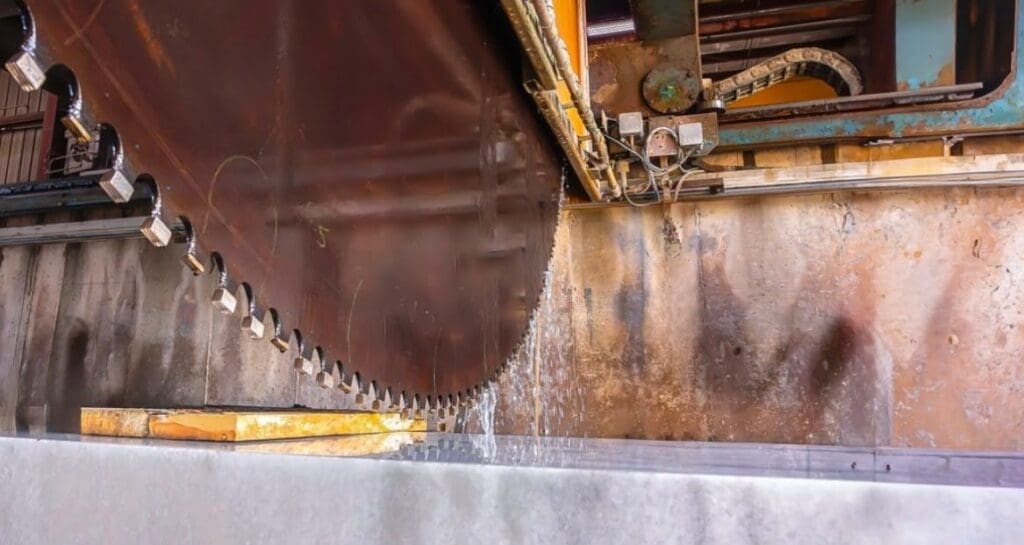
Efficient production techniques are at the heart of successful stone projects, enabling teams to deliver superior products on time and within budget. In today’s competitive market, project management is more than just overseeing timelines—it’s about orchestrating resources, systems, and people to achieve the highest standards of quality and innovation.
Project managers and design engineers play a pivotal role in this process. Their extensive experience allows them to coordinate multiple projects, streamline fabrication processes, and ensure that every phase—from material selection to final installation—runs smoothly. By working closely together, they can identify opportunities for improvement, implement new procedures, and adapt to challenges as they arise.
A critical aspect of efficient production is the selection process. Choosing the right team members—skilled fabricators, innovative designers, and reliable contractors—ensures that each project benefits from specialized expertise. This collaborative approach not only minimizes risks and complexity but also leads to the creation of superior products that meet or exceed client expectations.
Continuous innovation is essential for maintaining a competitive edge. Companies that invest in advanced technologies, refine their fabrication systems, and provide ongoing training for their teams are better equipped to respond to changing market demands. By embracing new materials and production methods, businesses can improve efficiency, reduce costs, and deliver high-quality stone solutions that stand out in the marketplace.
Ultimately, efficient production techniques are not just about speed—they are about maintaining quality, minimizing waste, and ensuring that every project aligns with the client’s vision. Through effective project management, a committed team, and a focus on continuous improvement, companies can bring even the most complex stone projects to life, building lasting relationships with clients and establishing themselves as leaders in the industry.
In a world where the ability to adapt and innovate is vital, efficient production techniques provide the foundation for long-term success. By prioritizing collaboration, investing in the right resources, and maintaining a relentless focus on quality, businesses can achieve exceptional results and drive growth in the ever-evolving stone industry.
Managing Challenges, Costs, and Risks
Stone projects involve inherent risks—material variability, schedule constraints, and coordination across trades. Strong collaboration helps teams minimize risks, control cost, and respond effectively to change. Having formal policies in place to guide project management and operational standards is essential for ensuring standardized, efficient, and compliant execution. Maintaining a positive view towards challenges and innovation in project management also fosters a proactive and strategic approach.
Key benefits include:
- Improved organization across project phases
- Clear roles and responsibilities
- Faster problem resolution
- Better alignment between architects, fabricators, and contractors
Collaboration between architects and stone fabricators bridges the gap between creative vision and technical execution, especially for trends like large-format surfaces and complex veining. Transparent communication leads to client satisfaction by ensuring that projects reflect the client’s vision and budget constraints. Early input from fabricators helps identify cost-effective material choices and construction methods, avoiding expensive changes later. Fabricators also provide crucial feedback on structural needs, preventing impossible designs and ensuring the final product matches the architect’s vision.
Collaboration enables teams to lead with foresight instead of reacting under pressure.
Teamwork That Drives Quality and Success
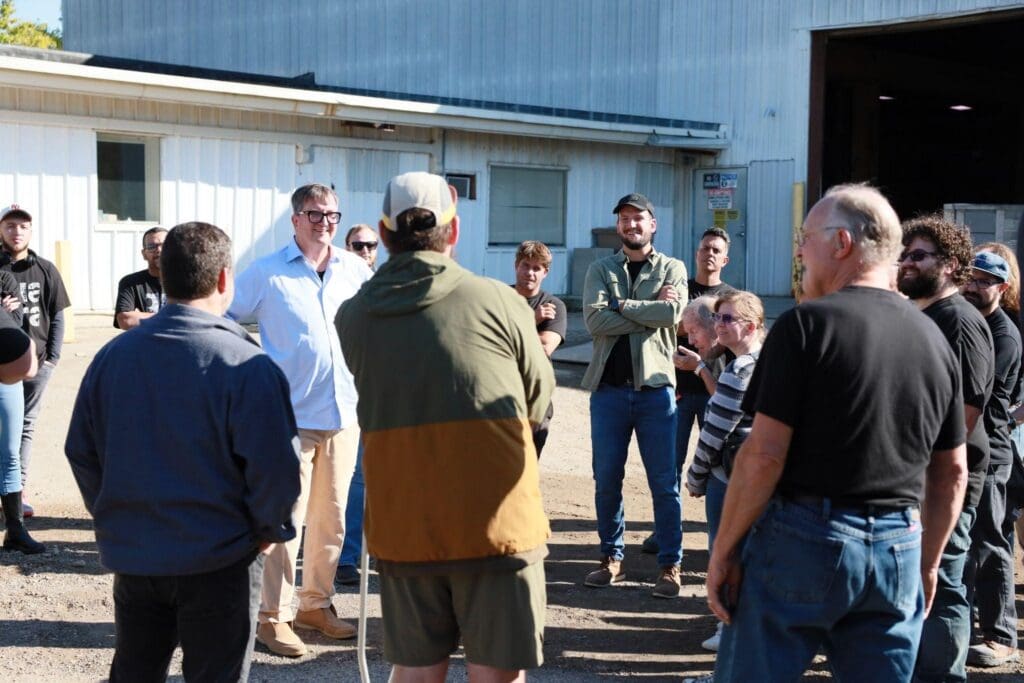
A committed team with shared goals delivers better outcomes. At our company, a culture of collaboration and continuous improvement supports teamwork and ensures quality results. Collaboration ensures that everyone—from architects to fabricators—understands how their role contributes to the final result.
Strong collaboration helps:
- Ensure consistent quality
- Maintain design integrity
- Support long-term performance
- Build trust with clients and customers
Digital tools such as AR/VR for slab visualization and real-time order tracking streamline operations, making architect and stone fabricator collaboration more efficient and transparent.
If you’re looking to enhance your next project, contact our company for further assistance or to explore collaboration opportunities.
In a competitive market, collaboration is essential to achieving project success and sustaining business growth.
Stone Collaboration in a Changing World
As the stone industry continues to evolve, collaboration supports innovation, continuous improvements, and smarter solutions. Planning for new areas of innovation and adapting to changing market demands is essential for success. Whether working with granite or other architectural stone materials, collaboration helps teams develop a comprehensive plan to manage scope, schedule, and costs across different areas of a project, ensuring effective coordination and execution.
Utilizing Building Information Modeling (BIM) platforms creates a shared virtual environment where architects and fabricators can work on the same model simultaneously, streamlining communication and reducing errors. Involving fabricators during the initial concept or design development phases allows them to validate budget alignment and technical feasibility before designs are finalized. Fabricators’ practical knowledge of stone capabilities inspires architects to design more unique features while ensuring they remain buildable. Regular site visits by architects ensure proper implementation and help resolve on-site issues promptly.
Looking ahead to 2027, architects are prioritizing sustainable luxury in their collaboration with fabricators, who provide transparent data on the carbon footprint and ethical sourcing of materials, aligning with evolving client expectations and industry standards.
The ability to explore new approaches, improve systems, and respond to real-world constraints is what transforms collaboration into a competitive advantage.
Collaboration as the Foundation of Exceptional Stone Projects
Ultimately, the importance of architect and stone fabricator collaboration cannot be overstated. It is vital to turning vision into reality, managing complexity, and ensuring every project achieves its intended finish.
Through effective collaboration, teams can:
- Bring architectural vision to life
- Ensure efficient execution
- Deliver durable, high-quality stone solutions
Collaborative work is an ongoing process that underpins exceptional stone projects. Teams should take action to uphold standards and drive project success. In stonework, collaboration is not just part of the process—it is the foundation of excellence.

(Q & A) Questions and Answers
1. Why is early collaboration between architects and stone fabricators so important? Early collaboration is essential because stone is a natural material with unique physical characteristics that make project execution complex. By involving a fabricator during the initial design phase, teams can identify potential risks, validate technical feasibility, and ensure that the architect’s vision aligns with budget constraints before plans are finalized. This proactive approach catches defects early and minimizes expensive rework.
2. How does a stone fabricator help manage project costs and schedules? Stone fabricators contribute practical material knowledge that helps optimize resources and systems. They can suggest cost-effective material alternatives, improve material utilization to reduce waste, and provide feedback on structural needs to avoid impossible designs. Their input ensures the fabrication process is streamlined, helping the project stay on schedule and within budget.
3. What role do project managers and design engineers play in stone projects? Project managers and design engineers bridge the gap between architectural creativity and technical reality. They oversee the stone selection process, coordinate communication between all stakeholders, and manage complex fabrication procedures. Their extensive experience allows them to synchronize multiple projects simultaneously, ensuring a smooth transition from the fabrication shop to final installation.
4. What modern technologies are improving architect-fabricator partnerships? In 2026, technology is a cornerstone of collaboration. BIM (Building Information Modeling) allows architects and fabricators to work on the same virtual model simultaneously to reduce errors. Additionally, digital tools like AR/VR for slab visualization and real-time order tracking provide transparency, allowing architects to see how specific stone veins and patterns will appear in the finished space before a single cut is made.
5. How does collaboration support sustainable architecture in 2026? Collaboration is vital for achieving “sustainable luxury.” Fabricators now provide architects with transparent data regarding the carbon footprint and ethical sourcing of natural stone. By working together, they can select locally sourced materials and implement efficient production techniques that minimize environmental impact, meeting the evolving sustainability standards of modern clients and regulators.
