


Key Takeaways
- Traditional stone fabrication transforms raw stone into finished pieces through manual craftsmanship, combining hand tools with precision machinery to shape natural stone for cladding and architectural details.
- Natural beauty, long-term durability, and precise fit remain the primary reasons architects still specify hand-crafted stone in 2026.
- Quarra Stone specializes in project-specific, custom-cut natural stone for façades, veneers, and complex architectural assemblies.
- The process differs fundamentally from manufactured stone veneer products in material integrity, performance, and lifespan.
- Later sections explain the step-by-step fabrication workflow, comparison to stone veneer systems, and how to plan a project with a fabricator.
Introduction: Why Traditional Stone Fabrication Still Matters in 2026
Natural stone has been used in construction for centuries, and traditional stone fabrication continues to underpin landmark buildings across North America and Europe. From Beaux-Arts courthouses and university campuses built between 1890 and 1930 to modern cultural centers, hand-fabricated natural stone cladding and stone accents deliver an elegance that cannot be replicated by mass-produced alternatives. “Traditional” here refers to craft-driven shaping, carving, and finishing of quarried stone, not manufactured stone veneer or cast products. This article is written from Quarra Stone’s perspective as a specialist in architectural stonework and cladding systems for institutional, cultural, and high-end commercial construction projects.
Defining Traditional Stone Fabrication
Traditional stone fabrication is the process of transforming raw natural stone blocks into dimension stone, cladding panels, and carved architectural elements. Stone fabrication involves steps like templating, cutting, shaping, polishing, and installation. Dimension stone-cut-to-size slabs, typically 2–4 inches thick, differ from thin natural stone veneer, which runs under 2 inches for lightweight cladding applications. Traditional methods focus exclusively on real stone (limestone, sandstone, granite, marble) rather than cement-based alternatives. Traditional stone fabrication is slower and better for custom, bespoke work, making it the perfect choice when a unique architectural style demands authentic material expression. The same craft principles apply whether the finished piece is a large façade panel or a small interior accent.
From Quarry to Block: Selecting Natural Stone for Fabrication
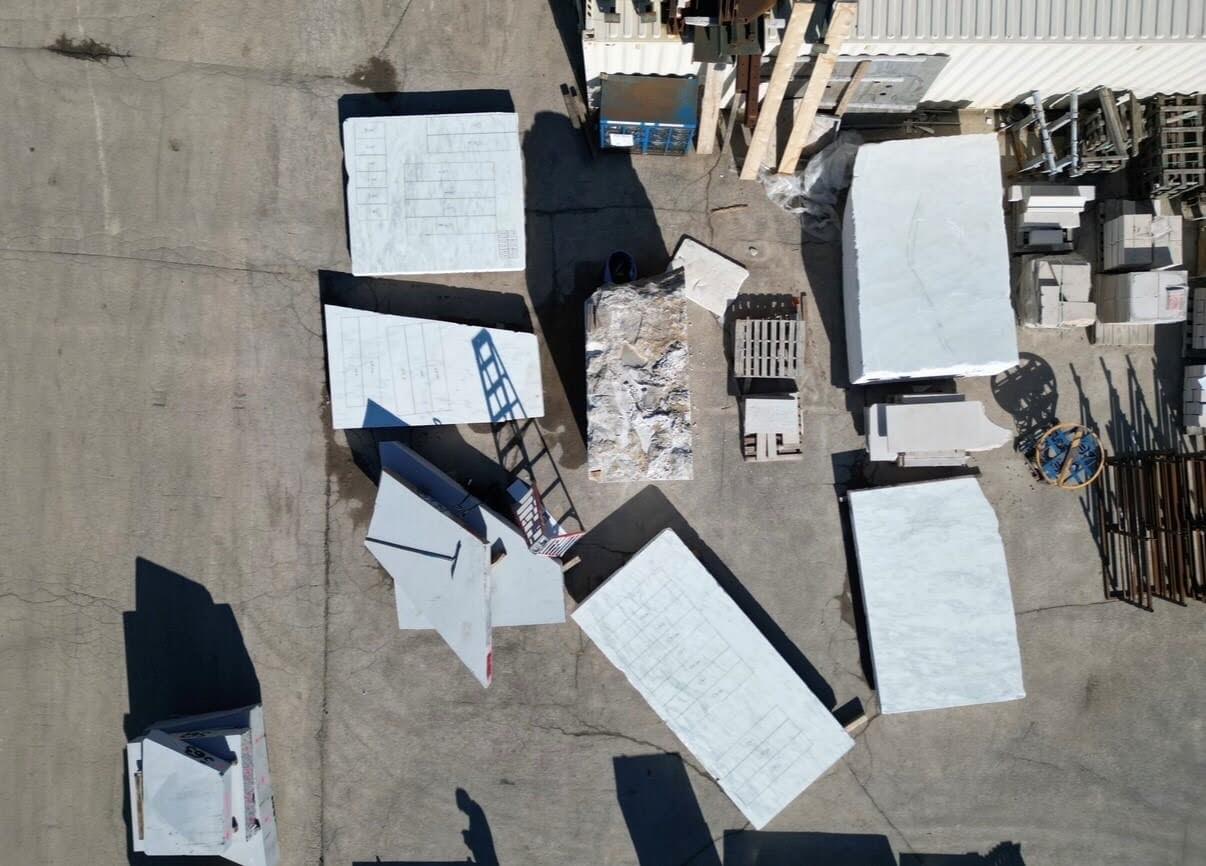
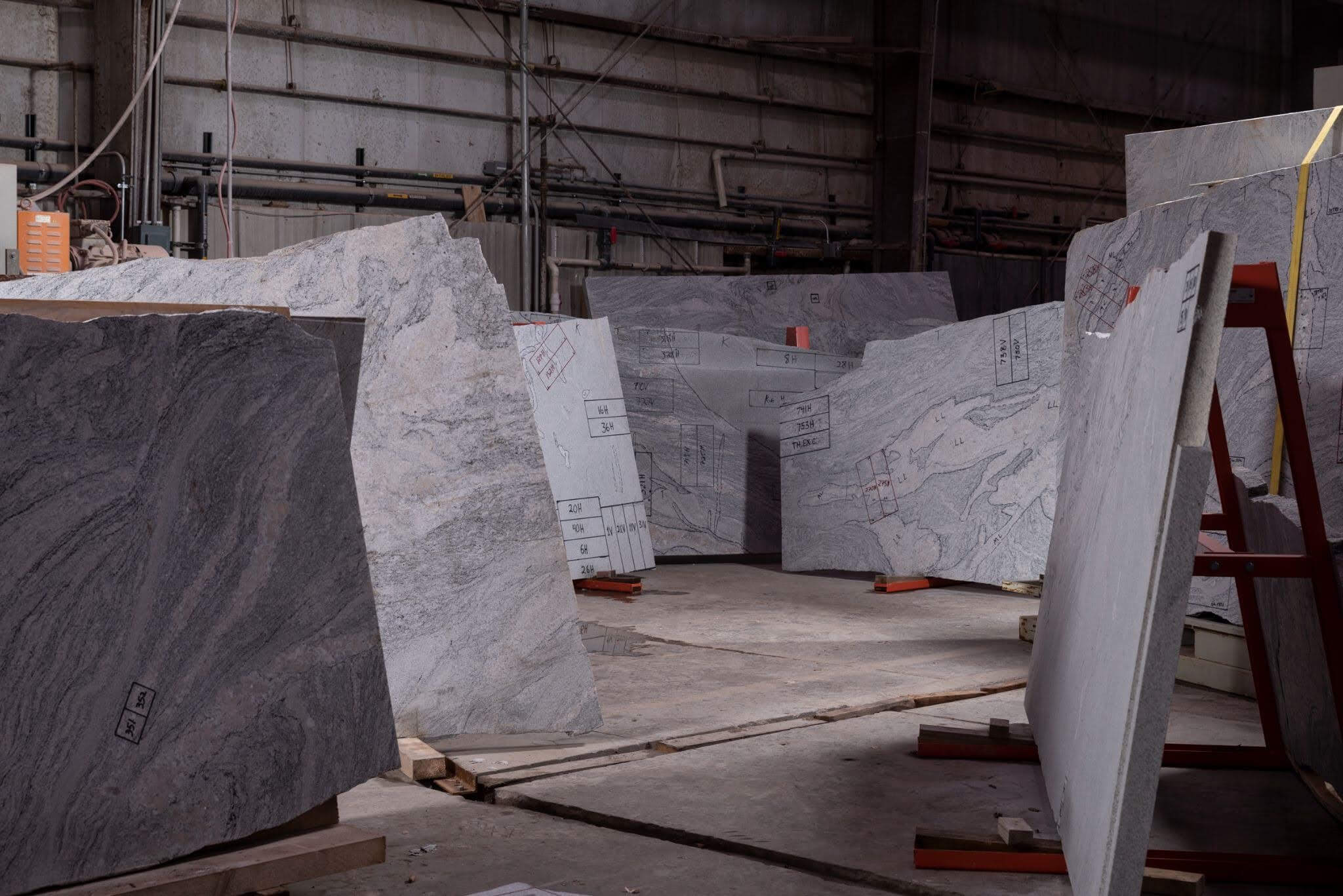
Quality fabrication starts at the quarry. Blocks are extracted using wire saws and controlled splitting techniques at operations like Indiana limestone quarries that have been active since the early 1900s. Key selection factors include color consistency, veining orientation, grain direction, compressive strength, and weathering performance for exterior natural stone cladding. Quarra Stone collaborates with quarries to reserve specific blocks for large façades, ensuring the natural beauty and tone remain consistent across all elevations. Yield from raw quarry blocks is often only 50%, making disciplined block grading essential for cost control.
The Traditional Stone Fabrication Workflow
The full workflow moves from block sawing through slab production, layout, cutting-to-size, edge working, surface finishing, with quality inspection integrated throughout the process. Traditional methods of stone fabrication prioritize manual hand tools and artisan skill, while modern stone fabrication utilizes advanced technology like CNC machines for high-precision cuts. Modern techniques in stone fabrication rely on computerized machinery and CAD software, yet hand craftsmanship dominates where judgment and artistry matter most.
Primary Sawing and Slab Production
Large diamond wire saws or gang saws reduce quarry blocks into slabs of controlled thickness. Bridge saws are used for cutting large slabs in straight lines in stone fabrication, producing slabs at 2″, 3″, or 4″ for heavy cladding or 1¼″ for veneer work. Aligning cuts with the stone’s natural bedding plane maximizes durability and resistance to freeze-thaw cycles. Tolerances at this stage reach ±1/16″, and any errors in thickness ripple through every downstream step. CNC machines are automated for precision cutting in stone fabrication, supporting the efficiency modern builders expect.
Layout, Trimming, and Cutting to Size
Layout translates project drawings into full-size templates on stone slabs. Precise measurements in stone fabrication are often taken using digital templating tools, though fabricators still combine printed patterns and chalk lines. Skilled teams nest pieces to optimize material use while keeping veining and colors consistent across adjacent panels. Waterjets use high-pressure water mixed with abrasives for intricate cuts in stone, complementing track saws and hand-held wet saws for custom stone accents at jambs and sills. Modern techniques can cut and shape even the hardest synthetic materials easily, but the judgment of experienced employees in matching veining across corners cannot be automated.
Hand Tooling, Profiling, and Carving
This is the heart of traditional fabrication. Chisels, mallets, pitching tools, and hand tracers create complex profiles-cornices, column capitals, pilasters, window surrounds. Traditional artisans must understand the hardness of each stone to avoid breaking it during carving. Edge profiling and shaping are done to fit design aesthetics in stone fabrication, producing profiles like bullnose, chamfer, ogee, and custom drip edges. Even when CNC routers rough out a profile, artisans refine arrises and soften edges by hand, producing slightly varied tool marks that create depth and texture under changing daylight. Modern techniques excel at producing high-volume and uniform results, but the craftsmanship of hand tooling delivers a sense of authenticity that architects and customers have long sought.
Surface Finishes for Cladding and Veneer
Finish selection affects appearance, slip resistance, and how natural stone veneer or dimension stone reads from the street. Common finishes include honed, polished, bush-hammered, sandblasted, split-face, and thermal (flamed). A thermal finish on granite creates bold, durable surfaces; the same aggressive treatment might weaken certain limestones. Mixing finishes on the same façade-textured base courses, smoother upper stories, can enhance visual variety and create a dramatic exterior. Natural stone is treated with sealant before installation to prevent moisture penetration, and the finish choice directly influences long-term durability and maintenance demands.
Dry-Fitting, Marking, and Quality Control
Fabricated pieces are dry-fitted in the setting to confirm that profiles and joints align. Each stone receives a unique piece mark tying it to setting drawings, ensuring installers know precisely where it belongs on the façade. Dimensional checks-thickness, length, width, squareness-are documented, and every panel is tested and inspected for micro-cracks, chips, and finish consistency. This quality culture reflects the professionalism and reliability Quarra Stone brings to complex institutional projects.
Traditional Fabrication vs. Stone Veneer and Manufactured Products
Many designers today compare traditional natural stone fabrication with thin stone veneer and manufactured stone veneer systems. Natural stone veneer is still cut from real stone at thinner profiles, while manufactured stone veneer is cast from concrete or lightweight aggregates in molds. Traditional fabrication delivers full-depth stone elements with structural integrity and presence; stone veneer products often rely on backup walls for support. The reality is that each system serves different needs across the industry.
Natural Stone Veneer and Thin Cladding Systems
Advances since the 1990s allow fabricators to cut natural stone veneer panels as thin as 1¼″ for anchored or adhered cladding. Stone veneer can be installed over most exterior surfaces, and even thin panels retain genuine color depth, veining, and weathering characteristics that cannot be replicated by synthetics. Natural stone cladding enhances aesthetics in commercial projects while providing unique design possibilities for walls and façades. Quarra Stone fabricates custom thin panels, returns, and corner pieces to maintain the appearance of full-depth masonry while reducing weight-an important benefit for retrofits.
Manufactured Stone Veneer and Cast Alternatives
Manufactured stone veneer is a molded, cement-based product available in multiple colors and styles. Manufactured stone products offer easy installation and minimal maintenance, and installation of stone veneer is quick and clean without mortar in many modern system configurations. Products certified under ASTM C1670 meet established quality benchmarks. Brands like Coronado Stone have been innovating for over 65 years, and CertainTeed STONEfaçade features a built-in rainscreen system for drainage behind the veneer. However, differences in UV stability of pigments, abrasion resistance, and long-term durability under de-icing salts or coastal exposure remain significant compared to quarried natural stone. Homeowners and property owners choosing between these products should browse samples and consider lifecycle value, not just first cost.
Architectural Applications: Cladding, Veneers, and Stone Accents
Natural stone cladding offers durability and strength across a wide range of applications, from full commercial façades to interior feature walls. Natural stone cladding can create a dramatic exterior on museums, courthouses, and performing arts centers where a monolithic, load-bearing appearance matters.
For new construction, traditionally fabricated panels are installed as part of modern rainscreen or cavity wall assemblies using kerf anchors, undercut anchors, or shelf angles. Mockups in the shop and on site, validate color range and finish before full production, giving architects and the contractor confidence in the design.
For retrofits, thin natural stone veneer allows designers to bring the beauty of traditional masonry to existing concrete or steel-framed buildings without major structural reinforcement. Quarra Stone fabricates custom veneer profiles to blend new work into adjacent historic fabric.
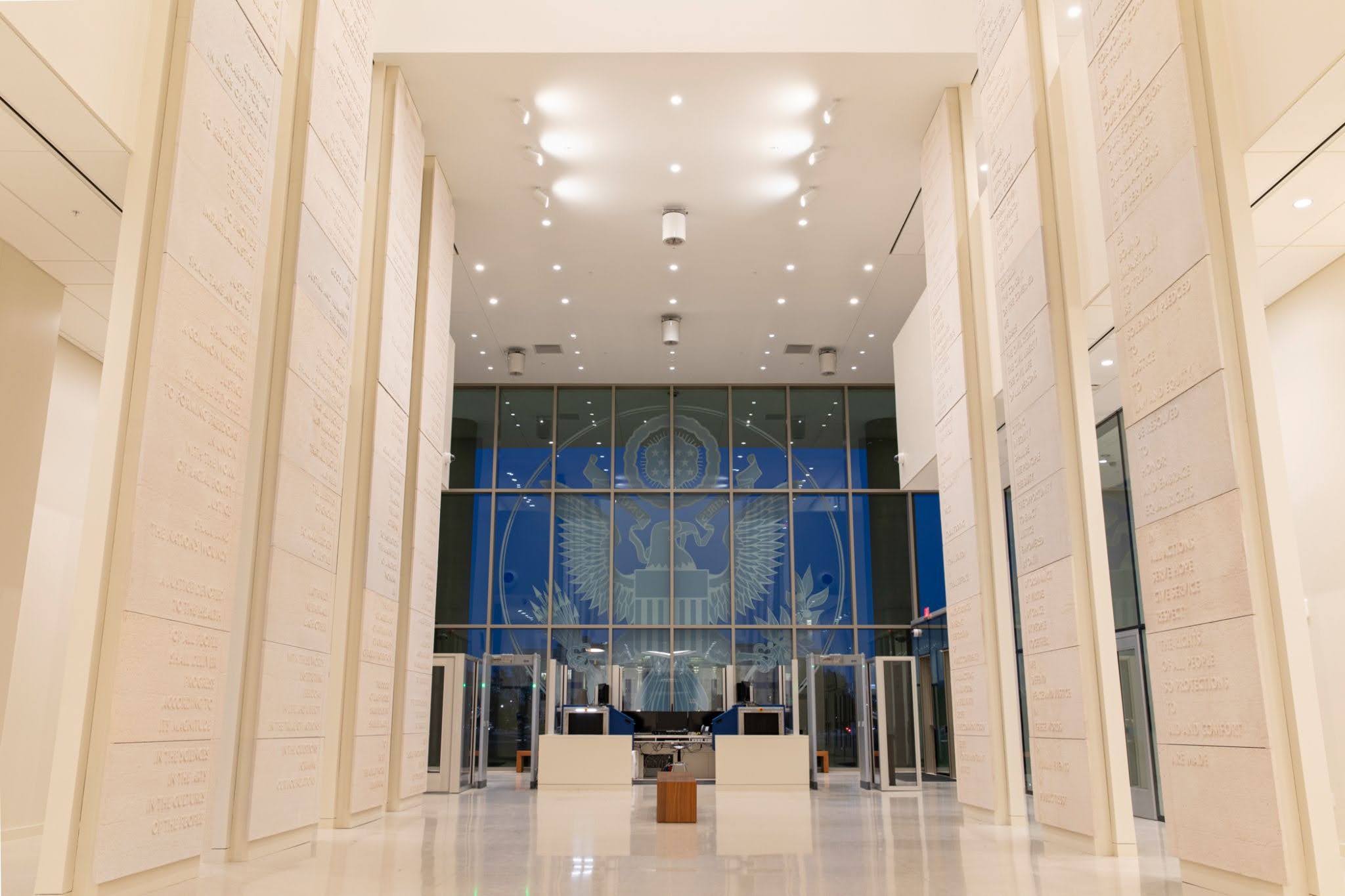
Interior applications include stair treads, lobby feature walls, and custom stone accents integrated with glass, metal, and wood finishes. Hand-carved inscriptions and crests reinforce institutional identity, and the broader palette of stone types available indoors provides inspiration for designers to explore contrasting finishes that enhance every space.
Performance, Durability, and Maintenance
Long-term durability is the primary reason architects continue to select traditionally fabricated natural stone. Well-detailed natural stone cladding can perform for 75–100+ years, outlasting multiple generations of roofing and glazing. Controlled weathering and patina development are part of the design intent, not a defect. The strength of properly anchored stone, verified through engineering review per ASTM C1242, ensures performance under wind and seismic loads.
For maintenance, inspect façades every 3–5 years. Use clean, low-pressure water and non-acidic solutions-never harsh chemicals on limestone or marble. Individual pieces can be removed and replaced because each is uniquely marked during fabrication, making the process of long-term stewardship practical and predictable.
Working with a Traditional Stone Fabricator
Successful stone projects depend on early collaboration between architects, contractors, and a specialist fabricator. Involving Quarra Stone during schematic design aligns aesthetic goals with practical fabrication methods, helping meet both budget and schedule. Digital workflows-3D models, BIM coordination-support traditional handwork rather than replacing it.
Fabricators provide samples, finish mockups, and technical input on stone types for specific climates. Detailed shop drawings translate architectural intent into piece-by-piece fabrication documents. Production is sequenced by elevation, so stone arrives on site in the order installers need, with specialized packaging protecting every piece during transit. Search for a fabricator with the resources and experience to deliver this level of coordination-the value becomes clear across the life of the building.

FAQ: Traditional Stone Fabrication, Cladding, and Veneer
Is traditionally fabricated natural stone always more expensive than manufactured stone veneer?
Not necessarily. While unit costs for full-depth natural stone are typically higher, lifecycle value is often competitive. Natural stone’s long service life, frequently exceeding 75 years, means lower replacement frequency compared to products with shorter lifespans. Cost differences depend on stone type, thickness, and detailing complexity. Early collaboration with a fabricator can optimize panel sizes and finishes to keep budgets under control, and owners of civic buildings often prioritize the benefits of durability and appearance over the lowest first cost in the world of commercial construction.
How long does a traditional stone fabrication package typically take from approval to delivery?
Timelines vary: several months for medium-scale projects, longer for large civic complexes. Shop drawing approval is often the longest controllable step; quick review cycles significantly shorten overall timelines. Staged deliveries allow installation to begin before all stone has been fabricated, helping projects maintain construction schedules. Choosing a fabricator experienced in making realistic production plans adds predictability.
Can existing buildings be upgraded using traditionally fabricated natural stone?
Yes. Many concrete or steel-framed buildings from the mid-to-late 20th century can be reclad using thin natural stone veneer or panelized systems with new subframing. Structural evaluation and coordination with air-water barrier upgrades are required. Academic buildings and office towers have received stone rainscreen upgrades to improve aesthetics and property value without full demolition of existing walls.
How sustainable is traditional natural stone compared to other cladding materials?
Natural stone has relatively low embodied energy compared to materials requiring high-heat or chemical-intensive manufacturing. Its greatest sustainability advantage is longevity-a 100-year façade avoids decades of replacement cycles. Salvage and reuse are also feasible. Environmental performance improves further with regional sourcing and efficient transport from the Natural Stone Institute member quarries, along with thoughtful detailing that extends useful life.
What information should architects provide to get an accurate quote from a stone fabricator?
A preliminary set of elevations, typical wall sections, desired stone types or color ranges, approximate quantities, and schedule targets allows fabricators to price work accurately. Preferred finishes, anticipated joint widths, and preliminary anchorage concepts improve the quality of early budgeting. Quarra Stone can provide guidance even when designs are still in schematic form, helping teams understand how design choices impact cost and making the specification process efficient and collaborative for every home and commercial building on the boards.
